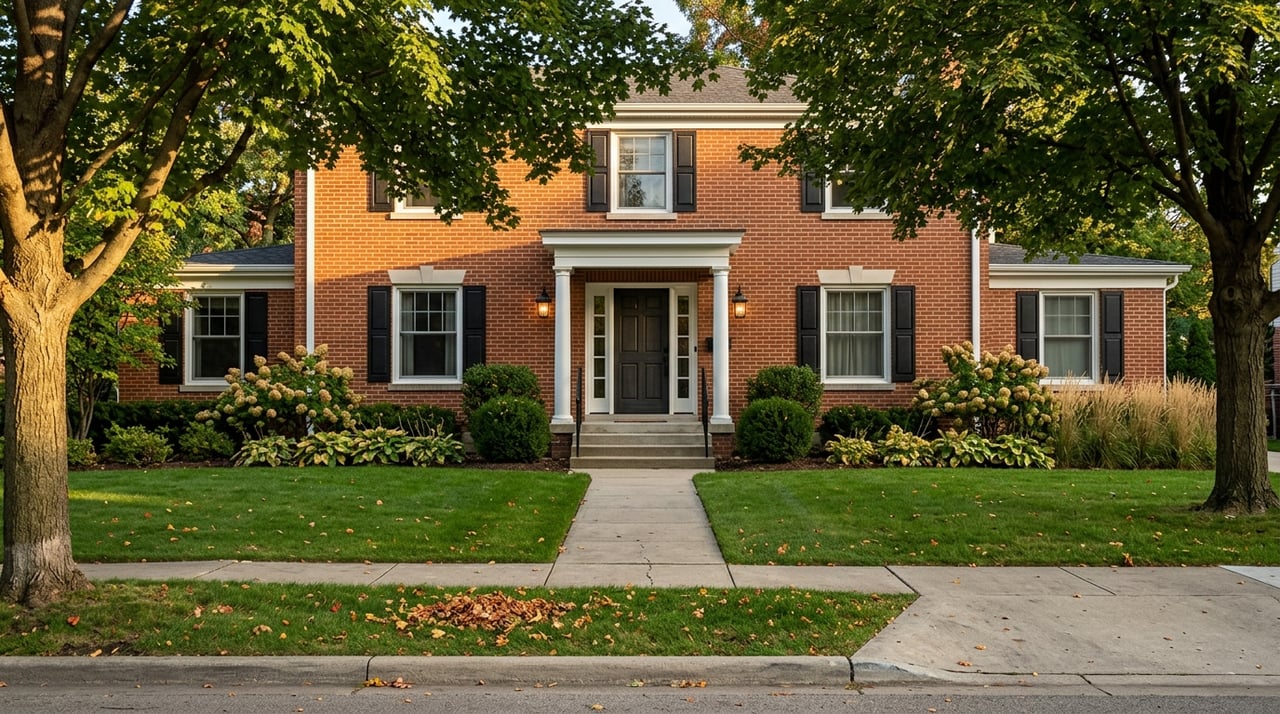
Choosing a home in Woodstock is not just about square footage or style. It is also about how your day will actually work once you live there. From morning commutes to park time, errands, and evenings out, different parts of Woodstock support different rhythms. If you want your next move to feel like the right fit, it helps to understand how neighborhood patterns shape daily life. Let’s dive in.
Why location changes your routine
In Woodstock, neighborhood layout and housing patterns can change how often you drive, how close you are to parks, and how easy it is to reach downtown or the train. The city’s housing stock is mostly single-family detached homes, which make up 58% of all units, and 65.6% of occupied homes are owner-occupied. That means many buyers will be choosing among established residential areas and subdivisions, with some attached and multifamily options mixed in.
The biggest lifestyle differences tend to show up in three broad settings. You will usually notice one routine near the Historic Square and downtown core, another around central park and recreation areas, and a different one in newer edge neighborhoods and Route 47 corridor areas. Those patterns come from where Woodstock concentrates homes, parks, transit, and commercial activity.
Downtown Woodstock supports a walkable routine
If you want to be closer to shops, restaurants, events, and the train, the Historic Square and nearby core offer the most walkable daily pattern in Woodstock. Downtown is the city’s social and retail center, with boutiques, local restaurants, live entertainment, and brick-lined streets centered around the Square. Mixed-use housing is also found in Woodstock Square, which adds to that more connected feel.
This part of town also carries a strong historic identity. The Square is surrounded by restored Victorian homes, and the Downtown Business Historic District has design review for exterior changes. Certified historic districts may also be eligible for incentives such as tax credits, assessment freezes, and grants.
For everyday life, that can mean shorter trips for dining, seasonal events, and simple errands. Even if you are not walking everywhere, downtown remains easy to use because the city provides free parking throughout the Square, and the Metra lot allows 24-hour parking. Citywide, overnight on-street parking is limited between 2 a.m. and 6 a.m., which is worth keeping in mind if curb parking matters to you.
What daily life feels like near the Square
Living near the Square often means your routine can include more spontaneity. You may find it easier to meet friends downtown, catch an event, or combine errands into one short trip. That convenience is one reason this area often stands out to buyers who want an active, connected setting.
The home styles near the core also feel different from newer areas. City planning documents describe the neighborhoods around downtown as older established neighborhoods with traditional patterns. In practical terms, that usually means a more historic, street-connected layout than what you will find at the edges of the city.
Near the station helps commuters
If your routine includes regular train travel, neighborhoods closer to Woodstock Station deserve a close look. The station sits at 90 Church Street on Metra’s Union Pacific Northwest line, in fare zone 4. It has 451 parking spaces, a waiting room open from 5:30 a.m. to 6 p.m., and connections to Pace routes 807 and 808.
That setup gives downtown-adjacent neighborhoods a practical edge for commuters. You can be closer to rail access, station parking, and some of the city’s most connected streets. The station does not have a vending machine, so riders buy tickets onboard or through the Ventra app.
Bus and driving still matter
Pace service adds another option, but both Route 807 and Route 808 focus on weekday rush-hour service. Because of that, many households outside the core will still plan daily life around driving. If you are comparing neighborhoods, it helps to think about whether your routine depends on transit every day or just occasionally.
For drivers, Woodstock’s location also shapes the day. The city says the Chicago Loop is about 90 minutes away in non-rush traffic. If you travel often by car, your exact neighborhood can make a difference in how quickly you connect to main roads.
Route 47 areas fit a drive-oriented lifestyle
If you prefer quicker access to major retail areas and road travel, newer neighborhoods near the edges of Woodstock may feel more convenient. The city’s comprehensive plan says newer single-family subdivisions are generally located toward the edges of the city. It also supports multifamily development along commercial corridors such as IL Route 47 and Lake Avenue.
That pattern tends to create a more suburban, car-oriented routine. You may have easier access to larger retail centers and service providers, since the IL Route 47 corridor hosts Woodstock’s major commercial hubs. For some buyers, that means errands feel simpler because so many practical stops are grouped along the same corridor.
There is one more factor to watch in this area. IL Route 47 is being widened from US 14 to IL 120, with construction expected to begin in spring 2026 and finish by the end of 2028. If you are considering a home near Route 47, it is smart to think about how construction and traffic may affect your short-term routine.
Parks can anchor your week
For many buyers, daily life is shaped as much by parks and recreation as by shopping or commuting. Woodstock manages 550 acres of parkland across 23 locations, and all of those park facilities are city-owned. The city also notes that residents do not pay extra property tax to a separate park district.
That matters because recreation is spread throughout the city rather than concentrated in one place. Depending on where you live, your weekly routine might naturally center on a nearby trail, playground, sports field, or recreation program. If park access is a priority, location can have a real impact on how often you use those amenities.
Key park areas to know
Several parks stand out as everyday anchors in different parts of Woodstock:
- Park in the Square at 100 Main Street
- Emricson Park at 900 W. South Street
- Bates Park at 1450 Seminary Road
- Ryders Woods at 751 E. Kimball Street
- McConnell Road Park at 2001 Greenview
Emricson Park includes trails, courts, fields, playgrounds, and Woodstock Water Works. Bates Park adds a spray pad, trails, fields, and winter recreation uses. The city also lists paved paths in Emricson Park, Merryman Fields, and McConnell Road Park, while the Dean Street Recreation Center serves as the indoor hub for programs and registration.
What that means for buyers
If your week includes playground visits, sports practices, walking paths, or seasonal recreation, homes near these park areas may fit your routine better than a location chosen only for commute time. A neighborhood near a major park can make it easier to build outdoor time into ordinary weekdays, not just weekends. That can be especially useful if you want recreation woven into daily life.
Home style affects more than curb appeal
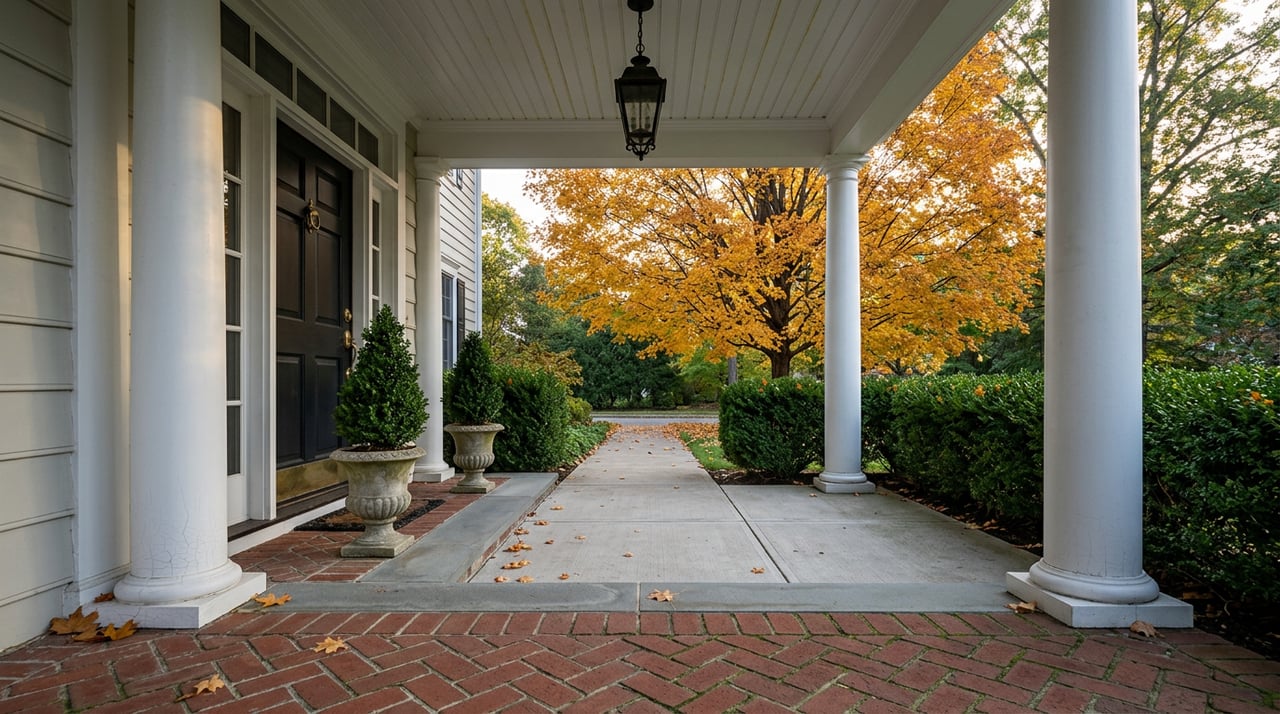
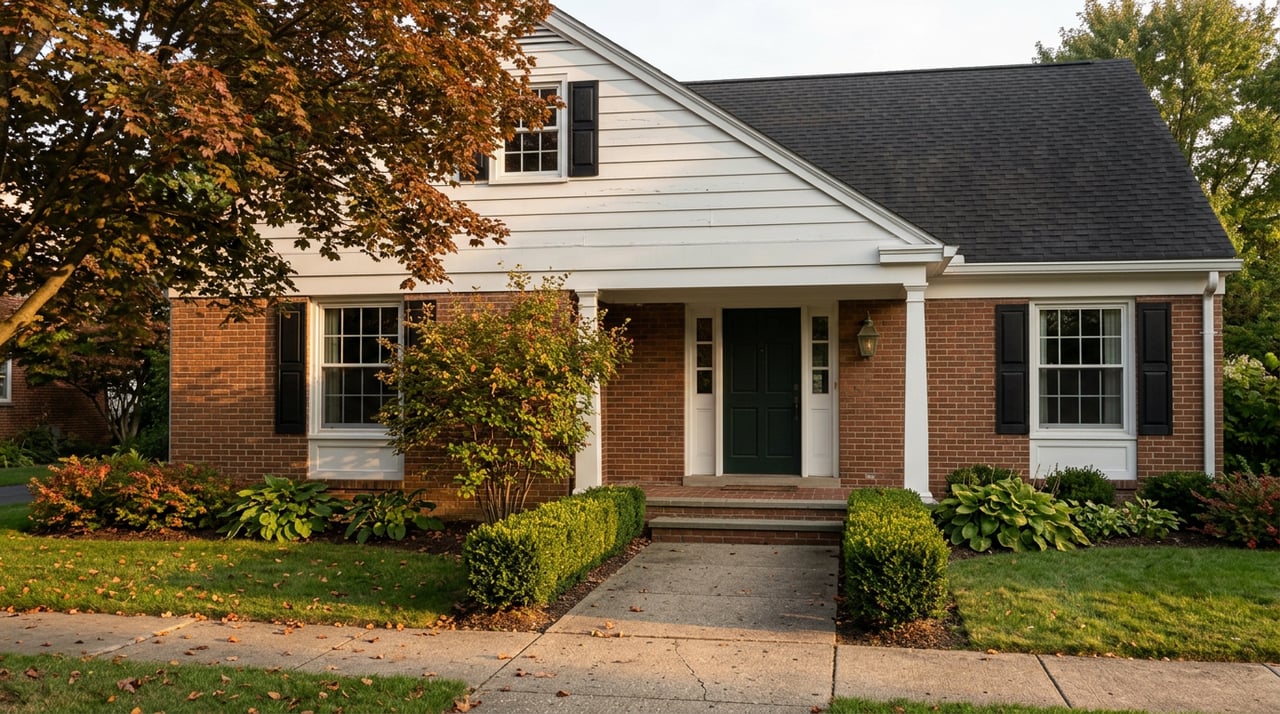
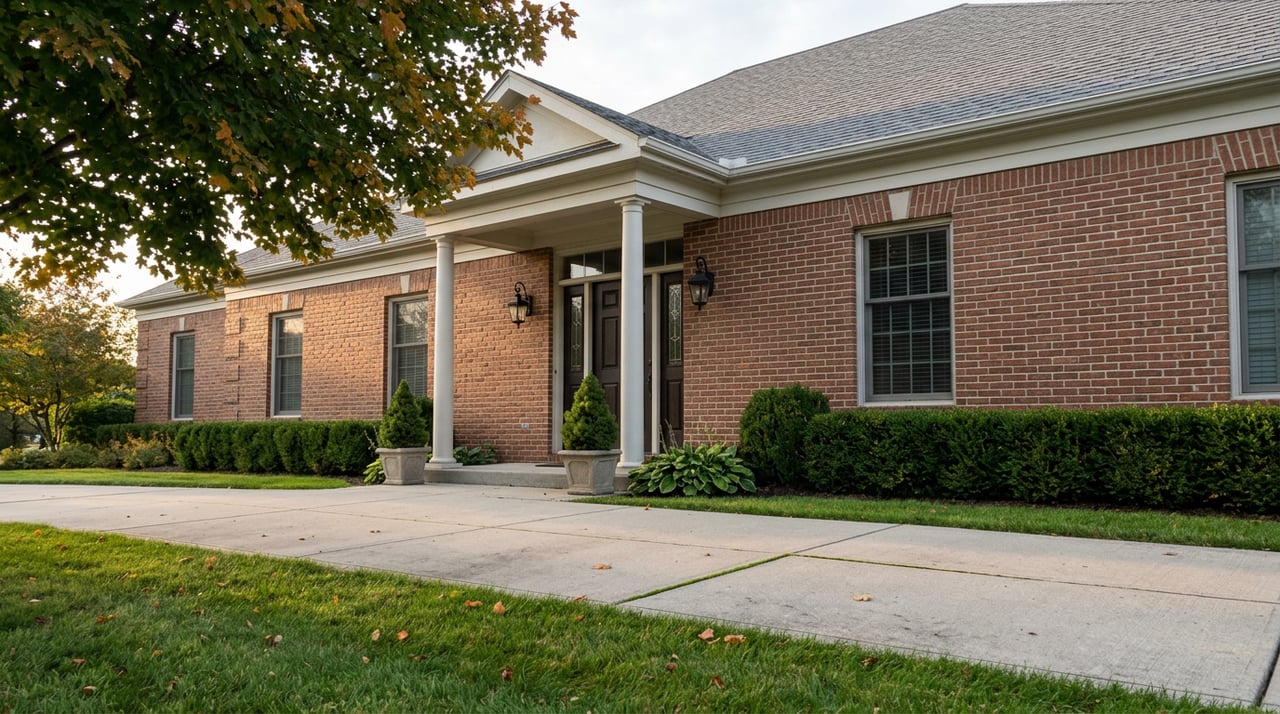
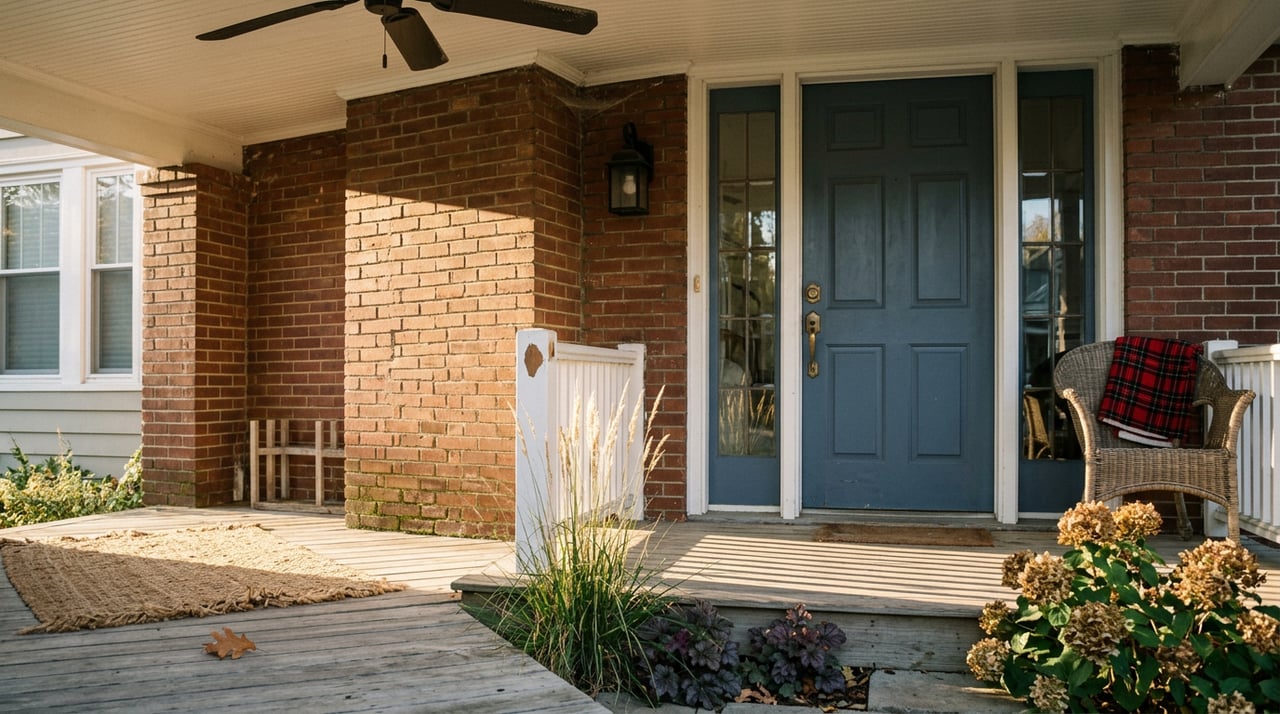
Woodstock’s housing mix can also shape your routine in small but important ways. Across the city, single-family detached homes are the most common choice, while attached homes account for 13.9% of units. Downtown adds a mix of historic homes and mixed-use buildings, while corridor locations include more multifamily options.
That means your preferred home type may naturally point you toward a certain lifestyle. If you love older architecture and a more connected street pattern, you may feel drawn to neighborhoods closer to downtown. If you want a newer subdivision pattern or easier access to regional shopping and roads, edge neighborhoods may be a better match.
Sidewalks and crossings matter more than you think
Sometimes the biggest quality-of-life details are the easiest to miss during a home search. Woodstock is updating sidewalks, curb ramps, and crossings through accessibility work and Route 120 improvements, with an emphasis on ADA compliance and safer pedestrian access. Those changes can make a real difference if your daily routine includes walking, biking, strollers, or mobility devices.
When you tour homes, it helps to look beyond the front door. Notice the sidewalks, crossing points, and how easy it feels to move around the area. Small infrastructure details often shape everyday comfort more than buyers expect.
How to choose the right Woodstock fit
The best Woodstock neighborhood for you depends on what you want your average Tuesday to look like. If you want more walkability, events, and train access, the Historic Square and nearby downtown neighborhoods may be the strongest fit. If parks and recreation are central to your routine, areas near Emricson Park, Bates Park, McConnell Road Park, or Park in the Square deserve attention.
If your day is mostly built around driving, regional errands, and road access, newer edge neighborhoods and Route 47 corridor areas may feel more practical. None of these patterns is better than the others. The goal is to match your home to the way you actually live.
A smart move starts with clarity about your routine. When you know whether you value walkability, commute convenience, park access, or quicker retail access most, it becomes much easier to narrow your search and feel confident about where you land.
If you are thinking about buying or selling in Woodstock, Kim Keefe can help you compare neighborhoods in a way that fits your real day-to-day life, not just a map.
FAQs
Which Woodstock neighborhoods are the most walkable?
- The Historic Square and the nearby downtown core offer the most walkable routine, based on the concentration of shops, restaurants, events, parking, mixed-use housing, and the train station.
Which Woodstock areas are best for commuters?
- Areas near Woodstock Station and downtown are the strongest fit for commuters because the station is on Metra’s Union Pacific Northwest line and connects to Pace routes 807 and 808.
Which Woodstock neighborhoods have the best park access?
- Homes near Emricson Park, Bates Park, McConnell Road Park, Ryders Woods, and Park in the Square tend to offer the clearest park-centered routine.
What home styles are most common in Woodstock?
- Single-family detached homes are the most common citywide, while downtown includes more historic homes and mixed-use buildings, and corridor areas include more multifamily housing options.
How do Route 47 neighborhoods affect daily life in Woodstock?
- Route 47 areas often support a more drive-oriented routine with access to major retail and service hubs, and buyers should also consider planned widening work from spring 2026 through the end of 2028.
How does downtown Woodstock differ from newer subdivisions?
- Downtown Woodstock generally offers a more historic, street-connected setting near shops, events, and the train, while newer subdivisions at the city’s edges usually support a more suburban, car-dependent routine.