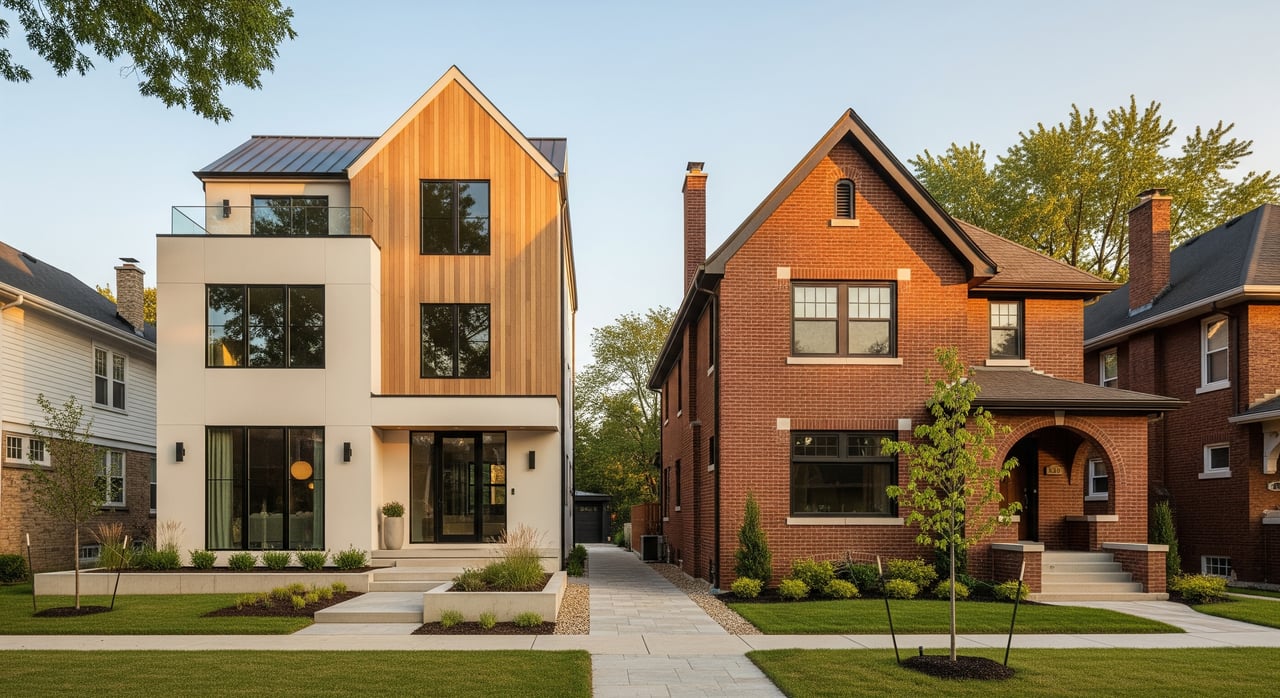
Thinking about a new build or a resale home in Rockford? It is a big decision, and each path has trade-offs. You want the right timeline, clear costs, and peace of mind about condition and maintenance. In this guide, you will compare timelines, warranties, inspections, lot selection, contract tips, and a simple decision framework tailored to Rockford and Winnebago County. Let’s dive in.
What shapes your choice in Rockford
Rockford and the wider Winnebago County area include in-city neighborhoods, older subdivisions, and newer communities on the edges and nearby towns like Loves Park and Machesney Park. Your experience can vary based on where you buy. If you are looking at a lot or a new community, confirm whether it is inside Rockford city limits or in unincorporated Winnebago County or a neighboring municipality. Permit rules, fees, and utility connections differ by jurisdiction.
Parts of the county include floodplains, wetlands, clay-rich soils, or higher groundwater. Before you commit to a new build lot, review flood maps and county GIS, and ask about soil conditions and drainage. For resale homes, the neighborhood setting, nearby development plans, and utility type can also influence your costs and comfort.
Timelines and closing speed
New construction timing
A full build typically runs from lot selection to permit, site work, foundation, framing, mechanicals, finishes, inspections, then closing. Depending on the builder, weather, and site conditions, you can expect several months for a spec home on a finished lot, or 6 to 12 months or more for a custom build or a lot that needs extra work. Delays can come from weather, subcontractor schedules, materials, or permitting.
Financing can be different from a standard mortgage. Some buyers use construction-to-permanent loans with draw inspections. If you are considering a spec or inventory home that is already complete, timing can be closer to a resale closing.
Resale timing
Resale homes usually close faster. Once you have an accepted offer and mortgage commitment, closings often occur in about 30 to 60 days, depending on your lender and contingencies. Inspection negotiations or a seller’s preferred timeline can shift your closing date, but the process is usually more predictable than a ground-up build.
Warranties and peace of mind
New build warranties
Most reputable builders provide a limited warranty package, but details vary. A common structure includes about one year for workmanship and materials, two years for major systems like HVAC, plumbing, and electrical, and up to ten years for structural components through a third-party provider. There are limits and exclusions, so read the warranty document and understand how to submit claims and timing requirements. Many builders offer a pre-closing walk-through and an 11- or 12-month follow-up to address items within the warranty window.
Resale protection
Resale homes do not come with a builder warranty. You may negotiate seller repairs or choose to purchase a one-year home warranty policy that covers certain systems and appliances. Your main protection is a thorough inspection and clear terms in your purchase agreement.
Customization and upgrades
New build choices and costs
New construction lets you choose floor plans, finishes, and some structural options. You start with a base price, then add upgrades. Smaller finish upgrades such as flooring or countertops often carry a modest premium. Structural changes like a bump-out, extra room, or taller ceilings can add significantly and may affect the timeline. Lot premiums are common for features like a walkout basement, larger yard, corner lot, or preferred orientation. Ask for an itemized list of included features and upgrades, plus total costs before you sign.
Updating a resale
Resale homes can offer mature landscaping and established streets. You can renovate to your taste after closing. Shopping materials yourself or phasing projects over time can control costs, but structural changes or code updates can be expensive. Build a realistic budget for immediate updates and near-term replacements.
Inspections that protect you
New build inspections
Builders schedule city or county inspections at key stages, but those focus on code compliance. You should still hire an independent inspector. Consider a pre-drywall inspection to review framing and mechanicals, a final inspection before closing, and a follow-up at 11 months to document warranty items. Depending on the lot and local conditions, you may also want radon testing, and if the property is on a well or septic, the appropriate evaluations.
Resale inspections
Plan for a full home inspection and any needed specialty checks. Older homes may need additional evaluation for roof age, foundation, sewer line condition, or environmental concerns. Use the report to negotiate repairs or credits.
Total cost snapshot
Every buyer’s budget is different, so focus on the full picture rather than a single sticker price.
- New construction cost drivers:
- Base price plus design center upgrades and structural options
- Lot premium for size, location, or walkout potential
- Utility connections, impact fees, and any special assessments for subdivision infrastructure
- Potential reassessment for property taxes once the home is complete
- Resale cost drivers:
- Purchase price plus immediate renovations and cosmetic updates
- Near-term maintenance or replacements such as roof, HVAC, or windows
- Possible savings if major systems were recently updated by prior owners
Ask for a clear breakdown of base price, options, and any known fees for a new build. For resale, get estimates for priority projects before you finalize your budget.
Picking the right lot in Winnebago County
Lot choice affects build feasibility, comfort, and resale appeal. Verify the following before you commit:
- Jurisdiction and permits: City of Rockford, unincorporated Winnebago County, or another municipality. Rules and fees differ.
- Utilities: Confirm municipal water and sewer availability or the need for private well and septic. Unincorporated lots often require county health approvals.
- Floodplain and wetlands: Review flood maps and county GIS layers. Building in a floodplain can require mitigation and higher insurance.
- Soil and drainage: Clay soils or high groundwater can affect basements and foundations. Ask whether a geotechnical report is advised.
- Orientation and light: Sun exposure influences natural light and energy use.
- Topography and grading: Slopes can add grading costs but may allow for a walkout basement.
- CC&Rs and HOA: Check exterior design rules, materials, setbacks, and architectural review processes.
- Easements and setbacks: Know where you can place structures and driveways.
- Neighborhood and infrastructure timeline: Ask when streets, sidewalks, and landscaping will be finished and if bonds or assessments apply.
- Access to daily needs: Consider commute patterns, services, and any planned future development.
Builder contracts and negotiation
A builder’s purchase agreement is not the same as a standard resale contract. Review these items before you sign:
- Base price and inclusions: Lot, floor plan, finishes, appliances, insulation, window specs, and system brands.
- Options and deadlines: Itemized upgrade pricing, selection timelines, and how allowances work.
- Deposits and escrow: Amount, refund rules, and where funds are held.
- Completion and closing date: Target date, what happens if the home is delayed, and any occupancy credits.
- Change orders: Process, pricing, and impact on schedule.
- Warranty: Full document, claim process, and timing for walk-throughs.
- Punch list: How items are documented and resolved before and after closing.
- Dispute resolution: Mediation or arbitration requirements and venue.
- Licensing and insurance: Builder coverage and any third-party structural warranty provider.
- Special assessments and fees: What is known today and what could be added later.
Negotiation tips: Ask for a sample contract and options list early. Request a milestone timeline and remedies for major delays. For spec homes, negotiate closing date and inspection rights. Consider asking for appliances or specific upgrades instead of price cuts. Put system brands and efficiency ratings in writing. If you can, include a scheduled 11-month warranty walk-through in the contract. If terms are complex, consult a real estate attorney.
Decision framework for Rockford buyers
Use these five filters to decide your best fit:
- Timeline urgency
- Need to move soon: resale is usually faster.
- Flexible timing: new build adds customization.
- Budget and total cost
- New build: base price plus realistic upgrade and lot premiums, utility and assessment costs.
- Resale: purchase price plus updates and near-term maintenance.
- Risk tolerance for delays
- Comfortable managing construction and punch lists: new build.
- Prefer predictable timing: resale.
- Customization vs. established setting
- Want modern layout and efficiency: new build.
- Prefer mature trees and finished streetscapes: resale.
- Long-term maintenance
- New homes often have lower near-term maintenance.
- Older homes may need replacements sooner but can cost less upfront.
Buyer checklist for either path:
- Confirm jurisdiction and permit process.
- Review flood maps and site plans.
- Schedule an independent home inspection.
- Read warranty documents and sample contracts.
- Estimate property taxes and any special assessments.
- Verify utility connections and who pays fees.
- Talk with your lender early about the best financing path.
How to find new builds locally
To see current opportunities, use your agent’s MLS search tools with a new construction filter, check active local builder websites and model centers, and review planning department subdivision approvals for recently platted phases. Local builders’ associations and regional publications also announce new communities. When you speak with a sales office, ask:
- Which lots are ready now, and are there any completed inventory homes?
- What exactly is included in the base price? Request it in writing.
- What are current lot premiums and any known assessments?
- What is the typical build timeline on the lot you want, and how have recent deliveries tracked?
- Can you see a sample contract, warranty packet, and recent completions?
Ready to compare your options?
Whether you are weighing a quick resale purchase or planning a ground-up build, you deserve clear guidance and a smooth process. If you want help clarifying timelines, total costs, inspections, and contracts for Rockford and Winnebago County, reach out to Kim Keefe for a friendly, data-informed consultation.
FAQs
Do I need an inspection on a brand-new Rockford home?
- Yes. City or county inspections confirm code compliance, but an independent inspector can catch issues and provide documentation for warranty items.
What warranties come with new construction in Winnebago County?
- Many builders offer about 1 year for workmanship, 2 years for systems, and up to 10 years for structural. Read the actual warranty to confirm coverage and exclusions.
How long does a new build take compared with resale?
- Spec homes can close in a few months if near completion. Custom builds often run 6 to 12 months or more. Resale closings typically take 30 to 60 days.
Will my property taxes be higher on new construction?
- They can be. New homes are usually reassessed once complete, which can increase taxes. Check with the local assessor for an estimate based on the finished value.
Should I budget for radon or septic tests in Rockford?
- Yes, consider radon testing for both new and resale homes. For unincorporated lots with well or septic, plan for the appropriate inspections and approvals.
How much do new build upgrades usually add?
- Costs vary widely. Ask for an itemized upgrade price list and total cost impact. Compare builder options with independent estimates when possible.