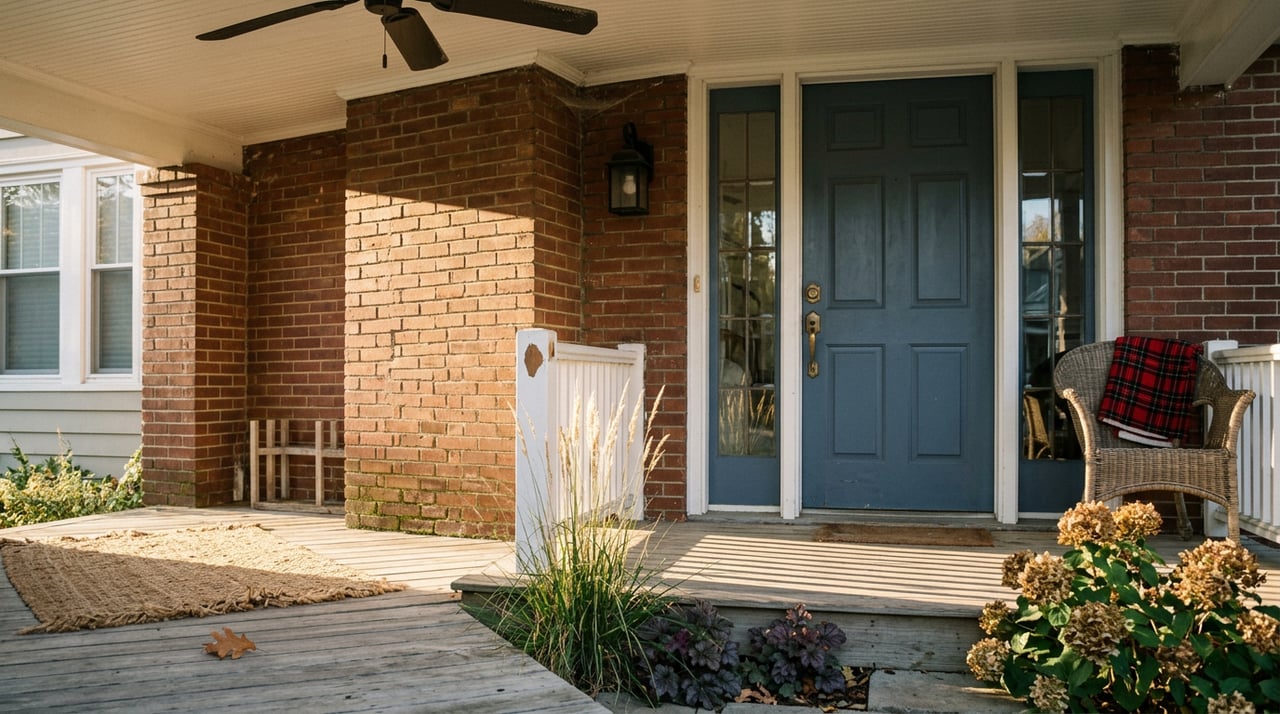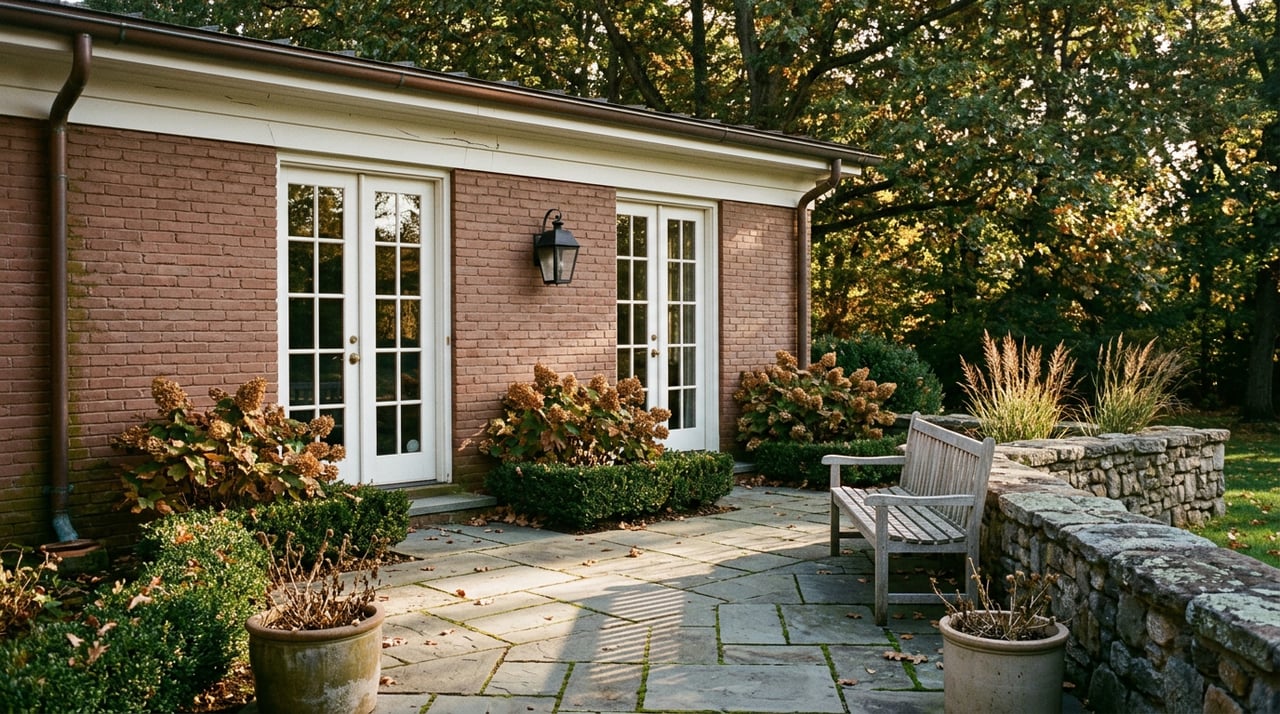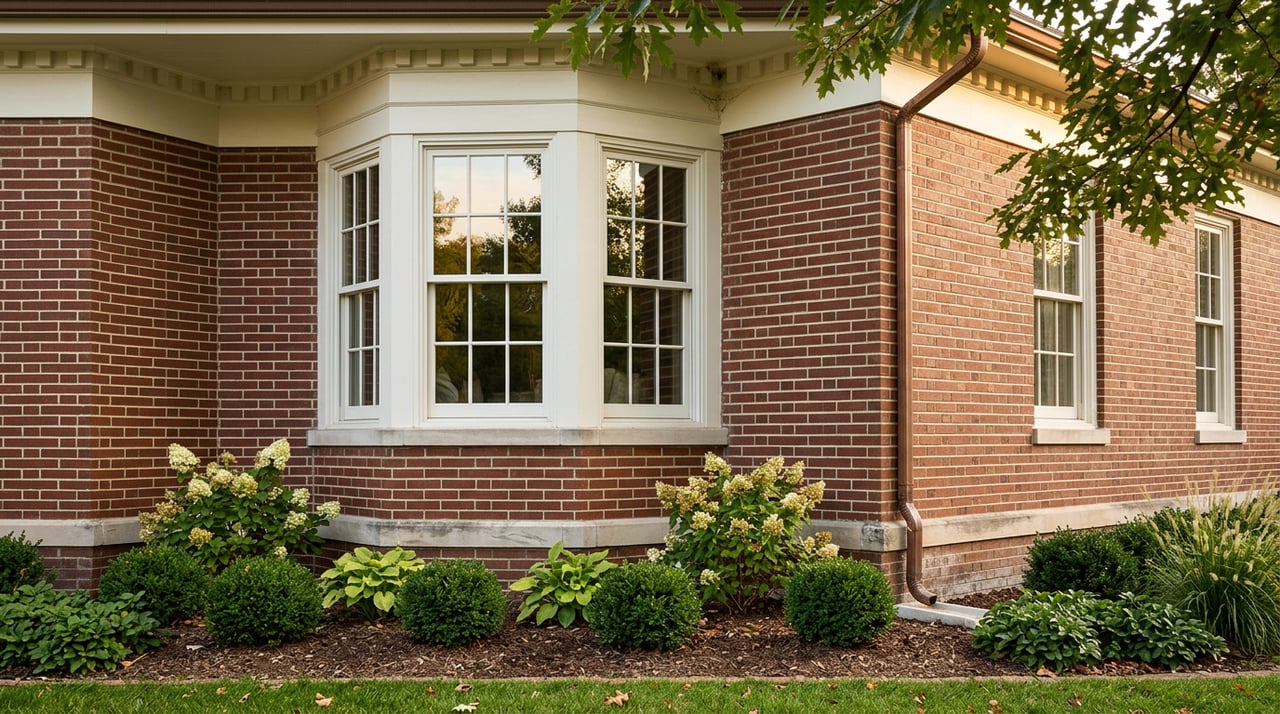
Pull up three real estate portals this month and ask them the same question about Bull Valley. In August 2026, Movoto reports a median list price of $1.36M with homes sitting on the market a median of 117 days. Homes.com, looking at the same village in the same month, reports a median of $309,990 and an average time-to-sale of 35 days. A third source shows only four active listings with a median around $2.7M. None of these numbers are wrong. They are all describing Bull Valley. They are just describing different Bull Valleys, and the reason matters more to a buyer than the numbers themselves.
Before you write an offer here, the friction to understand is not the price. It is the 5-acre zoning default, the McHenry County Sale of Property well and septic evaluations, and the school district line that runs invisibly through the village. Those three items decide what your dollar buys, what you can do with the parcel after closing, and where your children ride the bus. The list price is a consequence, not a cause.
Why the same village produces three different medians
Bull Valley is 1,128 residents spread across roughly nine square miles, and it was incorporated in 1977 specifically to hold density low. The defining policy, still in force, is a 5-acre minimum lot size in the Estate District, which is the village default. Most parcels are 5+ acres, many are equestrian, and Village Hall sits inside the 1836 Stickney House, a brick residence famously built without 90-degree corners.
Sitting inside that low-density envelope is a small, carefully permitted exception: The Sanctuary of Bull Valley, a conservation development of 105 homesites on 200 acres, with lots from three-quarters of an acre up to about three acres. The Sanctuary is on Woodstock city sewer and water, not septic and well. Shodeen Homes still has lots listed there in the $65,000 to $75,000 range, and a section within the Sanctuary was developed by DR Horton at a more modest price point than the custom estate homes elsewhere in the community.
That is the split. When a portal computes a "median" for Bull Valley, it is averaging two products that share nothing but a mailing address.
| Estate District (most of the village) | Conservation subdivisions (The Sanctuary, Boone Creek) | |
|---|---|---|
| Typical lot | 5+ acres, often wooded or equestrian | 0.75 to 3 acres |
| Utilities | Private well, private septic | Woodstock municipal sewer and water (Sanctuary) |
| Recent list examples (Aug 2026) | 419 N Valley Hill Rd at $2.995M on 14,126 sqft; 315 S Valley Hill Rd at $4.9M | Vacant Sanctuary lots from ~$65K; custom builds well under the estate median |
| Days on market | Long. Movoto reports a 117-day median | Considerably shorter |
| Subdivision potential | None. New lots require 5 acres | None. Fully platted communities |
Read the table before you read the median. A $309,990 headline includes Sanctuary land, DR Horton product, and pre-existing legal small lots. A $1.36M or $2.7M headline is weighted toward the estate parcels that give Bull Valley its identity. Neither is a fair comparison to the McHenry or Woodstock market a buyer might be pricing against.
The 5-acre rule decides what you can do after closing
The Estate District minimum is not a soft guideline. New lot creation in Bull Valley generally requires 5 acres. Smaller pre-existing legal lots exist, and they can be built on, but they cannot be further subdivided. If a buyer is looking at a 12-acre parcel and quietly calculating whether the back seven could someday become two homesites for family members, the zoning code closes that door before the appraiser opens it.
This is the mechanism that keeps the village looking the way it looks. It is also the mechanism that makes Bull Valley acreage a permanent decision rather than a land bank. The village zoning code spells out the district structure in detail, and the founding history on the village website traces the policy back to a 1961 recommendation for 5-acre residential and estate tracts. Buyers who intend to sever or split parcels later should confirm the specific lot's status with Village Hall before writing the offer.
What the county wants to see before the deed transfers
This is the transaction friction that catches out-of-area buyers. Most of Bull Valley is on private well and private septic, and McHenry County treats each as a formal event at sale.
The McHenry County Department of Health offers two specific forms tied to real estate transactions:
- Sale of Property Evaluation Form, Septic System. An evaluation of the current operation of the onsite wastewater treatment system, typically ordered for real estate transactions and refinancing.
- Sale of Property Evaluation Form, Well System. An equivalent evaluation for the private well, which includes analysis of a water sample for coliform bacteria and nitrates.
A few practical points that shape the timeline of a Bull Valley closing:
- All septic installations, repairs, and modifications must be performed by an IDPH-licensed septic system installation contractor. That means a failed evaluation does not resolve with a handyman; it resolves with a permit and a licensed installer.
- Surface-discharging systems are not allowed in McHenry County. Aerobic treatment units are permitted only if they discharge into a compliant subsurface seepage system.
- Adding a bedroom triggers new-construction standards for the entire system. Buyers planning to convert a bonus room to a bedroom after closing should price the septic capacity into the deal, not the renovation.
- Records of septic systems permitted before February 1, 2003 live at Planning & Development. Records after that date live at the Environmental Division of the Department of Health. Two phone calls, not one.
A buyer coming from a municipal-sewer suburb who assumes "inspection" is a single line item is going to be surprised by the calendar. Plan for the septic and well evaluations to add real time to the contingency period.
The school-district line inside the village
Bull Valley has a peculiar shape. State law required 200 voters within two square miles for incorporation in 1977, so the village had to stitch together scattered households across four townships. One consequence is that the school district assignment depends on which corner of the village a parcel sits in.
Northern and western addresses generally feed Woodstock CUSD 200, a K-12 unit district. Most southern addresses fall into Crystal Lake Elementary District 47 plus Community High School District 155. Two Bull Valley homes a few miles apart can send children to two entirely different systems. This is a factual boundary question, not a quality judgment. Confirm the assignment by parcel with the districts directly before writing the offer, because a "Bull Valley" address does not tell you which schools the property is zoned into.
Reading the market with the split in mind
Once the two markets are visible, the portal numbers make sense. The long days-on-market in the estate segment reflect a thin, high-dollar pool where each buyer is essentially custom. The shorter days-on-market at the Sanctuary reflect a more comparable product set on smaller lots with city utilities. A buyer targeting acreage should not benchmark against the $309,990 number; a buyer targeting a Sanctuary lot should not be scared off by the $1.36M number.
What the median hides, the transaction reveals. The zoning code, the septic and well evaluations, and the district line are where the real negotiation happens.
FAQ
Is Bull Valley on municipal water and sewer? Most of the village is on private well and private septic. The Sanctuary of Bull Valley is the notable exception, connecting to Woodstock municipal sewer and water despite sitting inside the village.
Can I buy acreage in Bull Valley and split it later for a family member? Generally no. The Estate District minimum for new lot creation is 5 acres, and smaller pre-existing legal lots cannot be further subdivided. Confirm any specific parcel's status with Village Hall before assuming a split is possible.
How long should I budget for the septic and well evaluations in my contingency period? Longer than a standard home inspection. The county's Sale of Property Evaluation forms are distinct filings, the well test includes lab work for coliform and nitrates, and any remediation must be performed by an IDPH-licensed contractor. Build the calendar accordingly and, when possible, order the evaluations early in the contingency window.
If you are weighing a Bull Valley purchase and want a read on which segment fits your goals, along with a realistic timeline for the well and septic work at closing, Team Open Doors knows the village at the parcel level. Reach out for your free home valuation and a straight conversation about what your budget actually buys here.