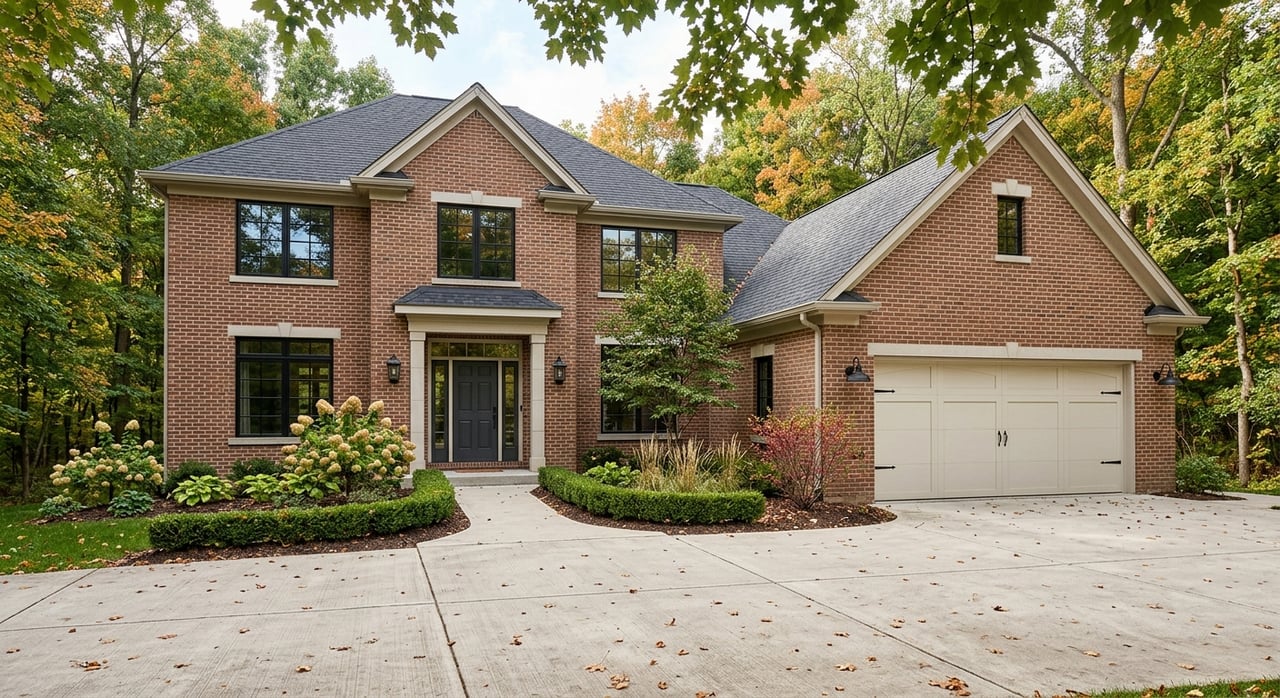
If you are thinking about buying a single-family rental in McHenry County, the numbers can look promising at first glance. But in a suburban market where most households own rather than rent, smart investing depends on understanding local price points, rent trends, transportation access, and the real cost of ownership. This guide will help you size up the opportunity, avoid common mistakes, and underwrite deals more confidently in McHenry County. Let’s dive in.
Why McHenry County Stands Out
McHenry County is not a dense renter market, and that matters. According to the U.S. Census QuickFacts for McHenry County, the county had an estimated population of 317,751 in July 2025, median household income of $104,802, and an owner-occupied housing rate of 82.7%.
That owner-heavy profile can shape your strategy in a few ways. You may see a smaller renter pool than in nearby urban counties, but the local income base can still support demand for well-located, well-maintained single-family rentals. For many investors, that means quality and location matter more than trying to compete on volume.
What Home Prices Look Like
Current home prices in McHenry County suggest an active market. On Zillow’s McHenry County housing page, the typical home value is listed at $356,310, with a median sale price of $322,500, a median list price of $382,933, and homes going pending in about 12 days as of spring 2026.
That quick pending timeline tells you something important. If you are looking for an investment property here, you may need to move quickly on properties that fit your criteria, especially in the more affordable single-family price ranges.
Prices Vary by Community
County averages only tell part of the story. Zillow’s city-level snapshots show a wide range of values across McHenry County:
- Bull Valley: about $624,000
- Lakewood: about $569,000
- Crystal Lake: about $367,000
- Woodstock: about $324,000
- McHenry: about $301,000
- Wonder Lake: about $281,000
- McCullom Lake: about $225,000
This spread is a big deal for investors. Your purchase price drives your potential yield, cash flow, and financing options, so comparing one community to another can be more useful than relying on county-wide averages.
What Rent Levels Suggest
Rent data also needs context. Zillow reports county-wide asking rents averaging $2,081 in March 2026, up 3.6% year over year, while the Census reports a median gross rent of $1,401 for 2020 through 2024. These are not the same metric, and they should not be treated as interchangeable.
The Zillow figure reflects current asking rents. The Census figure reflects survey-based occupied rental data over a multi-year period. If you are underwriting a purchase today, current asking rents may help you estimate market positioning, while the Census number gives useful background on the broader rental profile.
A Simple Yield Snapshot
At a high level, McHenry County can look attractive on a gross yield basis. Using Zillow’s county-average home value of $356,310 and average asking rent of $2,081, the rough gross annual rent yield comes out to about 7.0%. Using Zillow’s median sale price of $322,500, the rough gross yield rises to about 7.7%.
That said, gross yield is only a starting point. Your actual return will be lower once you include property taxes, insurance, maintenance, repairs, possible vacancy, management, and financing costs.
What Renters May Value Here
In a suburban county like McHenry, renter appeal often comes down to practical daily needs. McHenry County offers several transportation options through county transit services, including MCRide Dial-A-Ride, Pace routes 806, 807, 808, and 550, plus Metra commuter rail service from seven county stations.
The county also reports a 30.1-minute mean commute time, 95.4% household broadband subscription, and 22.1% of residents under 18, based on Census data. Together, those indicators point to a suburban renter base that may value commute access, reliable internet service, and enough interior and exterior space for everyday living.
Features That Can Support Demand
When you evaluate a single-family rental in McHenry County, it may help to look closely at:
- Access to Metra or major commuter routes
- Layout and bedroom count
- Condition of major systems and exterior elements
- Parking and garage options
- Yard size and maintenance needs
- Broadband availability and work-from-home functionality
In a market with a smaller renter share, a home that checks practical boxes may stand out more than a property that only looks good on paper.
Don’t Underwrite Taxes Too Lightly
Property taxes are one of the most important line items in Illinois, and they can materially affect your return. McHenry County’s Property Tax 101 guide explains that most property taxes go to school districts, tax bills are typically mailed in early to mid-May, and installments are generally due in June and September.
The same county explainer includes an example tax rate of 8.456274. That does not mean every property will carry the exact same tax burden, but it does show why investors need to review tax history carefully before buying.
Watch for Exemption Changes
If you convert an owner-occupied home into a rental, your tax picture may change. The Illinois Department of Revenue guidance referenced in the county tax explainer says the general homestead exemption is for owner-occupied principal residences. A property that becomes a rental may lose that benefit.
That can change your monthly carrying costs more than some new investors expect. It is one more reason to underwrite based on likely future ownership use, not just the seller’s current tax bill.
Appeals Have Limits
Some buyers assume they can simply appeal taxes after closing and fix the problem. McHenry County notes that an assessment appeal challenges the assessed value, not the tax bill itself. In other words, an appeal may be worth exploring in some situations, but it is not a guaranteed shortcut to a lower ownership cost.
Know Your Core Expense Categories
Before you buy, it helps to build your pro forma around real operating costs. According to IRS Publication 527, common rental expenses include:
- Advertising
- Cleaning and maintenance
- Commissions
- Depreciation
- Insurance
- Interest and mortgage interest
- Legal and professional fees
- Management fees
- Repairs
- Taxes
- Utilities
- Travel and transportation in some cases
This list is helpful because it keeps you from focusing only on rent and mortgage payment. A single-family rental can look solid at first glance and still underperform if you under-budget for turnover, repairs, or taxes.
Depreciation Matters Too
IRS Publication 527 also explains that depreciation begins when a property is ready and available for rent. If a former personal residence is converted to rental use, depreciation can begin when the use changes to income-producing.
That is an important planning point if you are moving out of a home in McHenry County and considering keeping it as a rental. The shift from owner occupant to investor changes more than just how you collect income. It also affects how you should think about expenses, tax treatment, and long-term return.
A Smarter Way to Evaluate Deals
If you are considering a single-family rental in McHenry County, a good deal usually starts with disciplined underwriting. Instead of asking only, “Will this rent?” it is better to ask a fuller set of questions.
Questions to Ask Before You Buy
- What are current asking rents for similar homes in that specific community?
- How does the purchase price compare with local value ranges?
- What happens to your return after taxes, insurance, and maintenance?
- Will the property need updates before it is rent-ready?
- Does the location support daily commuter needs and practical convenience?
- If the home is currently owner-occupied, how might taxes change after conversion?
These questions can help you avoid overpaying in a fast-moving market. They can also help you compare opportunities in Woodstock, Crystal Lake, McHenry, Wonder Lake, and other county communities more clearly.
Why Local Guidance Helps
Investment property decisions are local by nature. In McHenry County, small differences in community price points, commute options, tax exposure, and home condition can have an outsized effect on performance.
That is where local market knowledge becomes valuable. If you are buying your first rental, adding another property, or converting your current home into an investment, working with a team that understands McHenry County’s housing patterns can help you make a more confident decision.
If you want help evaluating single-family rental opportunities in McHenry County, connect with Kim Keefe. You can get local insight on pricing, property selection, and next steps that fit your goals.
FAQs
What makes McHenry County different for single-family rental investing?
- McHenry County is largely owner-occupied, with 82.7% owner-occupied housing according to the Census, so investors are working in a suburban market with a smaller renter base than many urban counties.
What is the average asking rent for single-family rentals in McHenry County?
- Zillow reported average county-wide asking rents of $2,081 in March 2026, though actual rents vary by property type, condition, and location.
What are home values like across McHenry County communities?
- Values vary widely, with Zillow snapshots showing about $624,000 in Bull Valley, $367,000 in Crystal Lake, $324,000 in Woodstock, $301,000 in McHenry, and $225,000 in McCullom Lake.
What is a rough gross yield for a McHenry County single-family rental?
- Using Zillow’s reported county rent and price figures, rough gross annual yield is about 7.0% based on typical home value and about 7.7% based on median sale price, before expenses.
What property tax issue should McHenry County investors watch closely?
- Investors should review taxes carefully because property taxes are a major expense in Illinois, and a home that changes from owner-occupied to rental use may lose the general homestead exemption.
What expenses should you include when underwriting a McHenry County rental home?
- IRS Publication 527 lists common expenses such as insurance, taxes, repairs, maintenance, mortgage interest, management fees, advertising, utilities, and depreciation.