If you own an older home in Rockford, you may be wondering how much you really need to update before you sell. That is a smart question, especially in a city where much of the housing stock was built decades ago and buyers are paying close attention to condition. The good news is that you do not need to gut your home to make a strong impression. With the right mix of repairs, simple updates, and smart prep, you can focus your budget where it matters most. Let’s dive in.
Why older Rockford homes need a smart plan
Rockford is an older-housing market. According to the City of Rockford's 2020-2024 Consolidated Plan, 77.1% of occupied housing units were built before 1980, and 30.8% were built before 1950.
That matters when you are getting ready to sell. In a market with many older homes, buyers often compare one older property against another. Condition, maintenance, and presentation can make the difference between a quick, solid offer and a home that sits.
Rockford is also not a market where every expensive upgrade makes financial sense. With the U.S. Census showing a median owner-occupied home value of $129,000 for 2020-2024, and Zillow showing a typical home value of $177,225 as of March 31, 2026, sellers usually benefit more from practical improvements than high-end custom renovations.
What buyers notice first
When buyers walk into an older home, they usually notice signs of care before they notice style details. If the home feels clean, bright, neutral, and well maintained, buyers are more likely to focus on its potential instead of its age.
That lines up with national remodeling and staging data. NAR's 2025 Remodeling Impact Report found that 46% of home buyers are less willing to compromise on home condition than they used to be.
NAR also found that the updates most often recommended before listing include painting the entire home, painting one room, and addressing roofing. In other words, buyers are not just reacting to looks. They are also reacting to whether the home appears solid and move-in ready.
Presentation plays a major role too. NAR's 2025 Profile of Home Staging found that 91% of sellers were advised to declutter, 88% were told to clean the entire home, and 77% were encouraged to improve curb appeal.
Start with repairs, not remodels
If your budget is limited, repairs should come first. In Illinois, sellers must disclose material defects they actually know about, and the disclosure form asks about items such as the foundation, roof, walls, windows, doors, floors, electrical system, plumbing system, heating and cooling systems, fireplace, sewer or disposal system, and radon.
That means active leaks, failing systems, structural concerns, and other known problems deserve attention before cosmetic upgrades. A buyer may overlook dated finishes, but obvious repair issues can raise red flags fast.
This is especially important in older homes. NAR notes that cost-recovery estimates for remodeling assume a home is already in good condition with no hidden problems, so a home with deferred maintenance is not the same as a clean benchmark property.
Priority fixes before listing
If you are deciding where to spend money first, start here:
- Roof leaks or visible roof wear
- Plumbing leaks or water damage
- Electrical issues you know about
- Heating or cooling problems
- Window or door problems that affect function
- Foundation or structural concerns
- Deteriorated paint, especially in older homes
- Safety issues that could come up during a showing or inspection
Think of these as the projects that protect your sale. They help reduce surprises, support your asking price, and make buyers feel more confident.
Best updates for older Rockford homes
Once repairs are handled, focus on visible updates that improve first impressions without over-improving for the market. In Rockford, that usually means small to mid-sized projects that make the home feel fresher and more cared for.
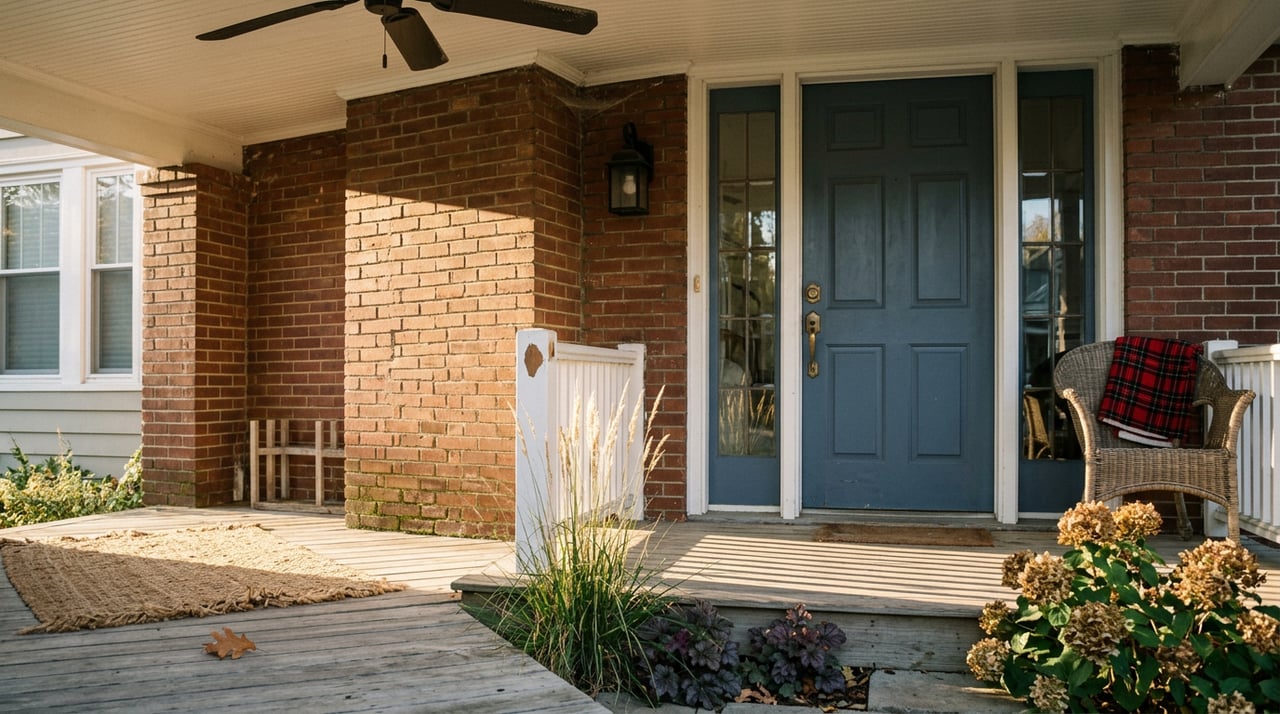
NAR's 2025 remodeling research gives strong support to modest updates such as a new steel front door, closet renovation, and a new fiberglass front door. NAR also highlights garage-door replacement, entry-door replacement, minor kitchen work, and bathroom work as categories with strong resale logic.
For many older Rockford homes, the most practical updates include:
- Fresh neutral paint
- Updated cabinet or door hardware
- New light fixtures in key rooms
- Cleaner or repainted trim
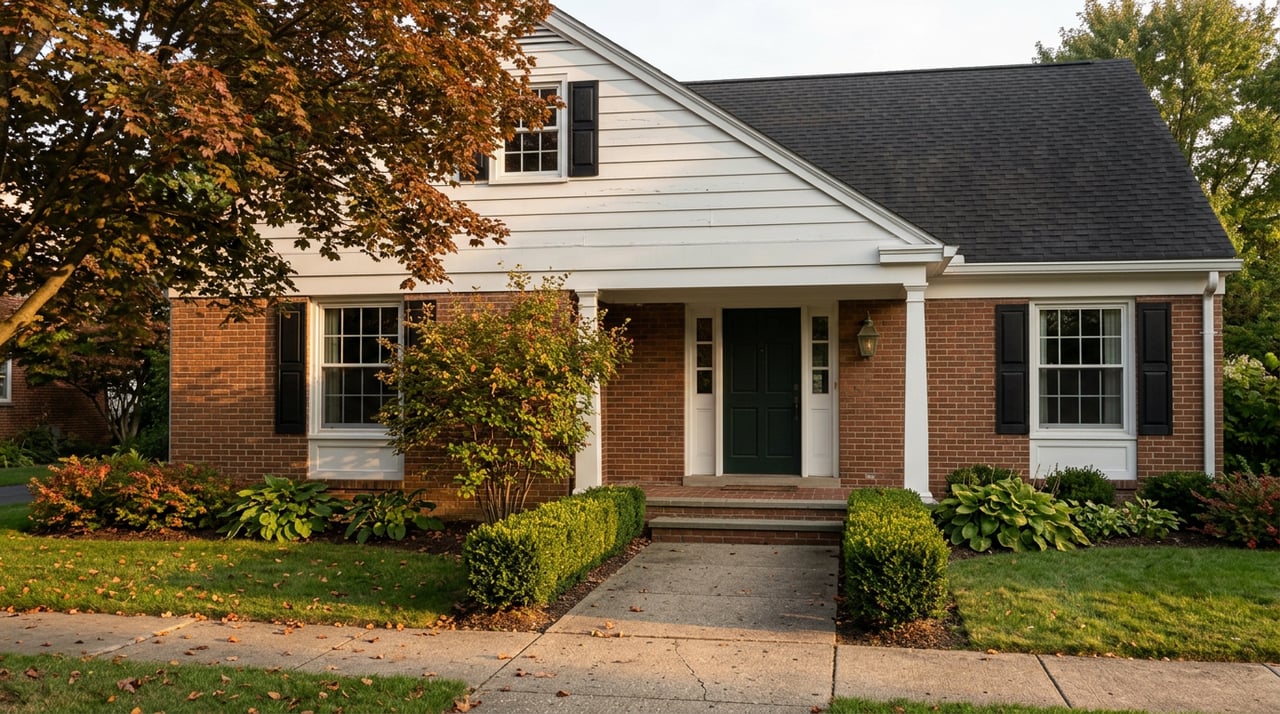
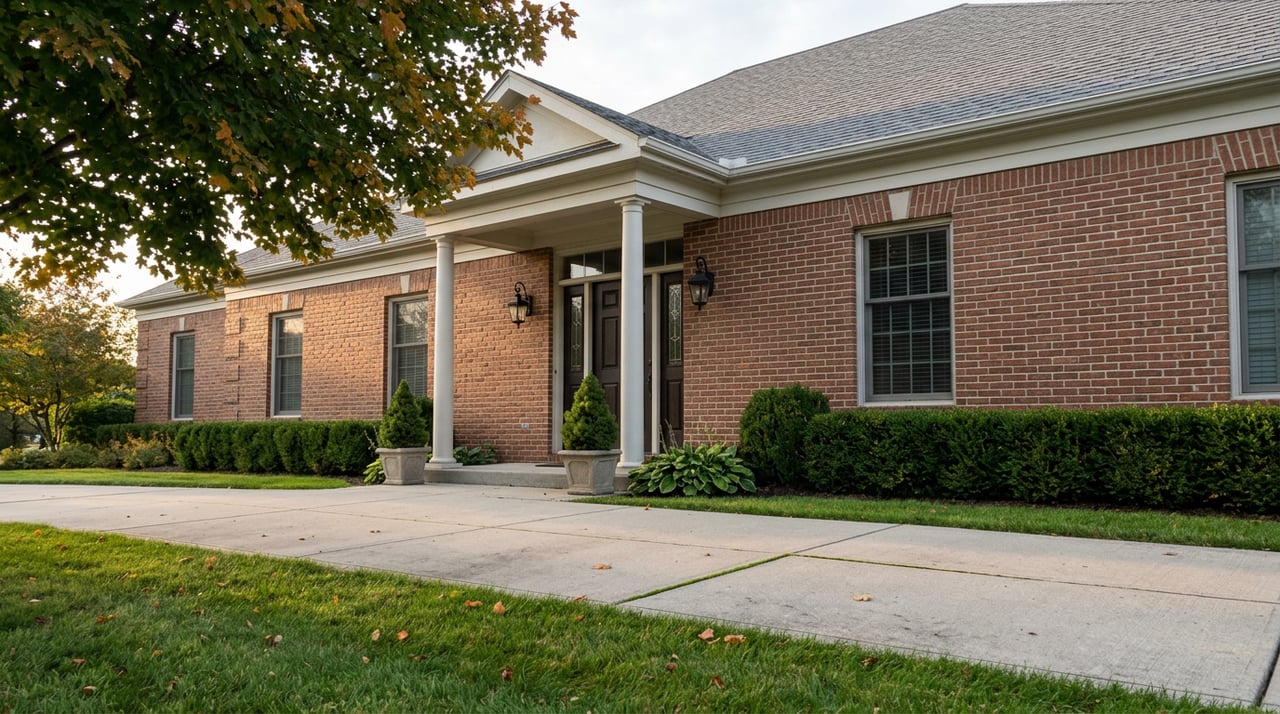
- Improved landscaping and entry appeal
- Minor kitchen touch-ups
- Bathroom refreshes that improve function and appearance
These projects tend to travel well because they appeal to a wide range of buyers. They also help your home look updated without turning into a major construction job.
Focus on the most visible spaces
If you cannot update everything, prioritize the spaces buyers notice most. NAR's staging report found that the living room, primary bedroom, and kitchen were the most important rooms to stage.
That does not mean every room needs a makeover. It means the rooms that shape a buyer's first impression should feel calm, clean, and functional.
Is a full kitchen or bath remodel worth it?
Usually, a full luxury remodel is not the first place to spend your money before selling an older Rockford home. Research suggests that smaller, focused projects often make more resale sense than highly personalized major renovations.
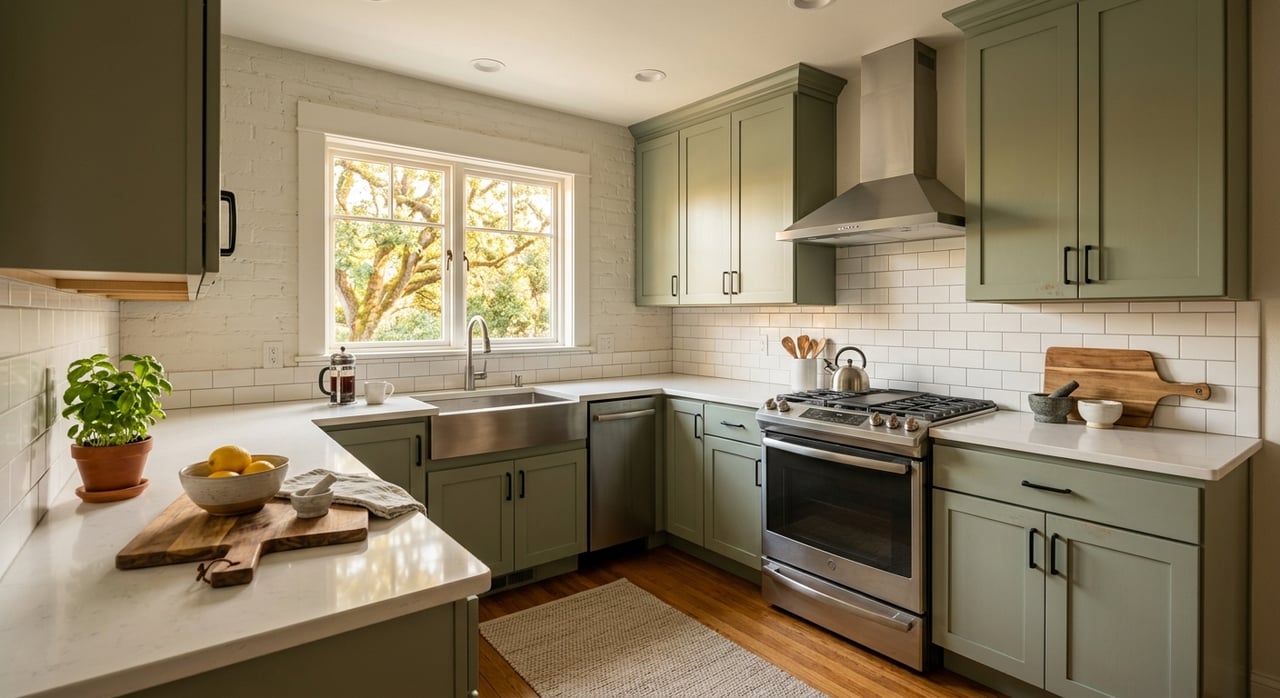
If your kitchen or bathroom is visibly worn, a refresh may be enough. That could mean painting, replacing hardware, updating lighting, improving storage, replacing a worn vanity, or cleaning up grout and caulk.
A refresh works well because buyers respond to newness and function. They do not always require a top-to-bottom rebuild, especially in a mid-priced market where neighborhood price points help set expectations.
How to avoid over-renovating
Before you spend heavily, ask a simple question: will this update match what buyers expect at this price point? If the answer is no, a lighter refresh is often the safer move.
In Rockford, the goal is usually to make your home feel well kept and ready for the next owner. It is not to install the most custom or expensive finishes on the block.
Do not overlook lead, radon, and permits
Older homes often come with extra pre-sale considerations. In Rockford, where a large share of homes were built before 1980, these details matter more often than they might in newer markets.
Lead-based paint in pre-1978 homes
If your home was built before 1978, lead-based paint may be a factor. EPA guidance says homes built before 1978 are much more likely to contain lead-based paint, and buyers of most pre-1978 housing must receive the lead-hazard pamphlet and any known information before purchase.
If you are making repairs that disturb paint, lead-safe practices matter. EPA also says deteriorating lead-based paint is a hazard that needs prompt attention, and work that disturbs it should be handled by lead-safe certified renovators.
Radon disclosures in Illinois
Radon is another issue to think about before listing. Illinois guidance says sellers must disclose known unsafe radon concentrations, but testing and mitigation are not required before sale.
Even so, the Illinois Emergency Management Agency and Office of Homeland Security strongly recommends that buyers test before purchase or occupancy and mitigate elevated levels. If you already know of an unsafe radon level, accurate disclosure is important.
Rockford permit requirements
If you plan to do work before listing, check permit requirements before the project begins. The City of Rockford says permits are required for construction, alteration, replacement, repair, equipment, use and occupancy, location, maintenance, removal, and demolition.
The city specifically notes that permits are required before roofing work begins. Its residential permit process also identifies separate electrical, plumbing, and mechanical permit requirements.
That means even a project that seems straightforward may need city approval. If you skip that step, it can create avoidable issues later when buyers start asking questions.
A simple pre-listing strategy for sellers
If you are preparing to sell an older Rockford home, try this order of operations:
- Identify known defects and deferred maintenance.
- Handle repair items that affect safety, function, or disclosure.
- Check whether planned work requires a city permit.
- Address lead-safe repair practices if your home is pre-1978.
- Refresh the most visible rooms with paint, lighting, and simple cosmetic updates.
- Declutter, deep clean, and improve curb appeal.
- Present the home so buyers see care, not age.
This approach helps you spend more intentionally. It also supports smoother showings, stronger buyer confidence, and fewer unpleasant surprises during inspection.
The goal is confidence, not perfection
Selling an older home in Rockford does not mean chasing every trend or taking on a full remodel. In most cases, the smartest move is to repair what matters, refresh what buyers see first, and keep your updates in line with local price expectations.
When your home looks clean, functional, and well maintained, buyers can picture themselves living there. That is often what helps an older home stand out.
If you want help deciding which updates are worth doing before you sell, Kim Keefe can help you build a practical plan that fits your home, timeline, and budget.
FAQs
Which repairs should Rockford sellers prioritize before listing an older home?
- Start with known issues involving the roof, plumbing, electrical, heating and cooling, windows, doors, foundation, water damage, and other material defects that could affect disclosure or buyer confidence.
Is a full kitchen remodel worth it before selling a Rockford home?
- Usually, a focused refresh makes more sense than a luxury remodel, especially in a mid-priced market where practical updates often have stronger resale logic than highly customized projects.
What does Illinois require sellers to disclose in an older home sale?
- Illinois requires sellers to disclose material defects they actually know about, including issues involving the roof, foundation, walls, windows, doors, floors, plumbing, electrical, heating and cooling, fireplace, sewer or disposal system, and radon.
Should sellers test for radon before listing a home in Illinois?
- Testing is not required before sale, but sellers must disclose known unsafe radon concentrations, and Illinois guidance strongly recommends testing before purchase or occupancy.
What should sellers know about lead-based paint in older Rockford homes?
- For most homes built before 1978, buyers must receive the lead-hazard pamphlet and any known information about lead-based paint, and repairs that disturb paint should follow lead-safe practices.
Which pre-listing projects may need permits in Rockford?
- The City of Rockford requires permits for many types of construction, alteration, replacement, and repair work, including roofing, and it also identifies separate permit requirements for electrical, plumbing, and mechanical work.
How can sellers avoid over-renovating an older Rockford home?
- Focus on repairs, simple cosmetic updates, and strong presentation rather than high-end custom remodels that may not match neighborhood price points or buyer expectations.