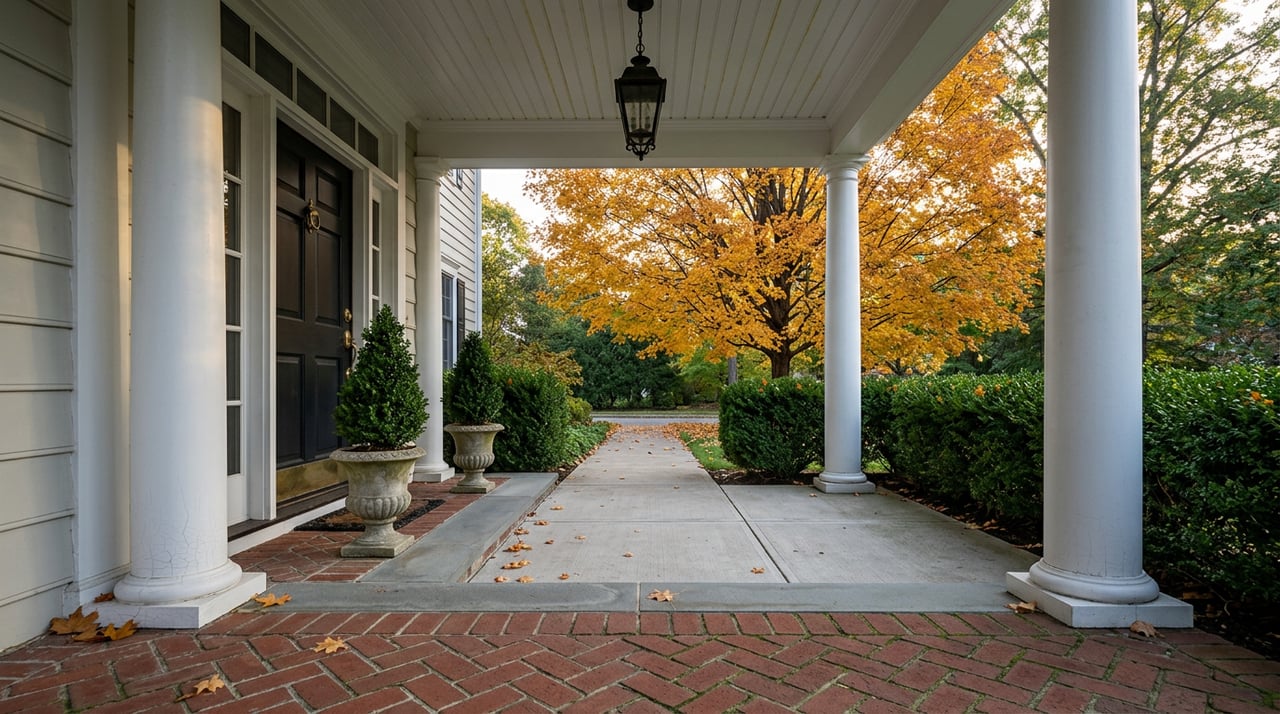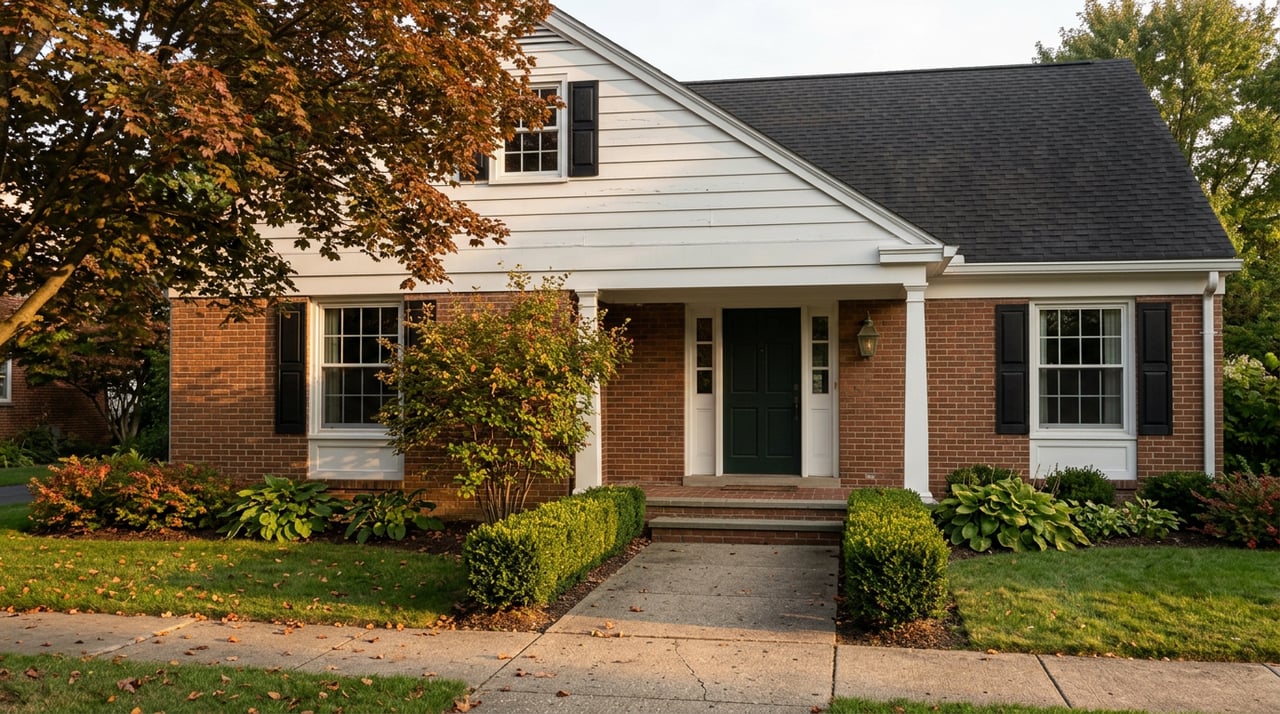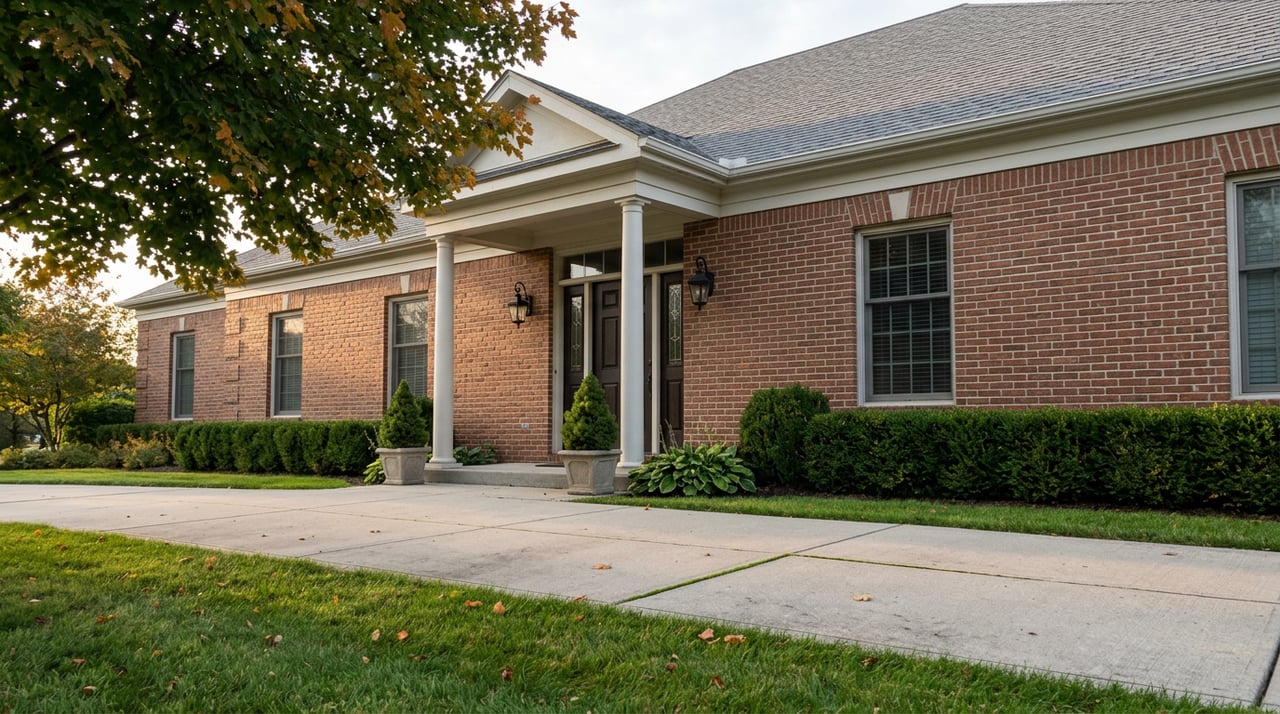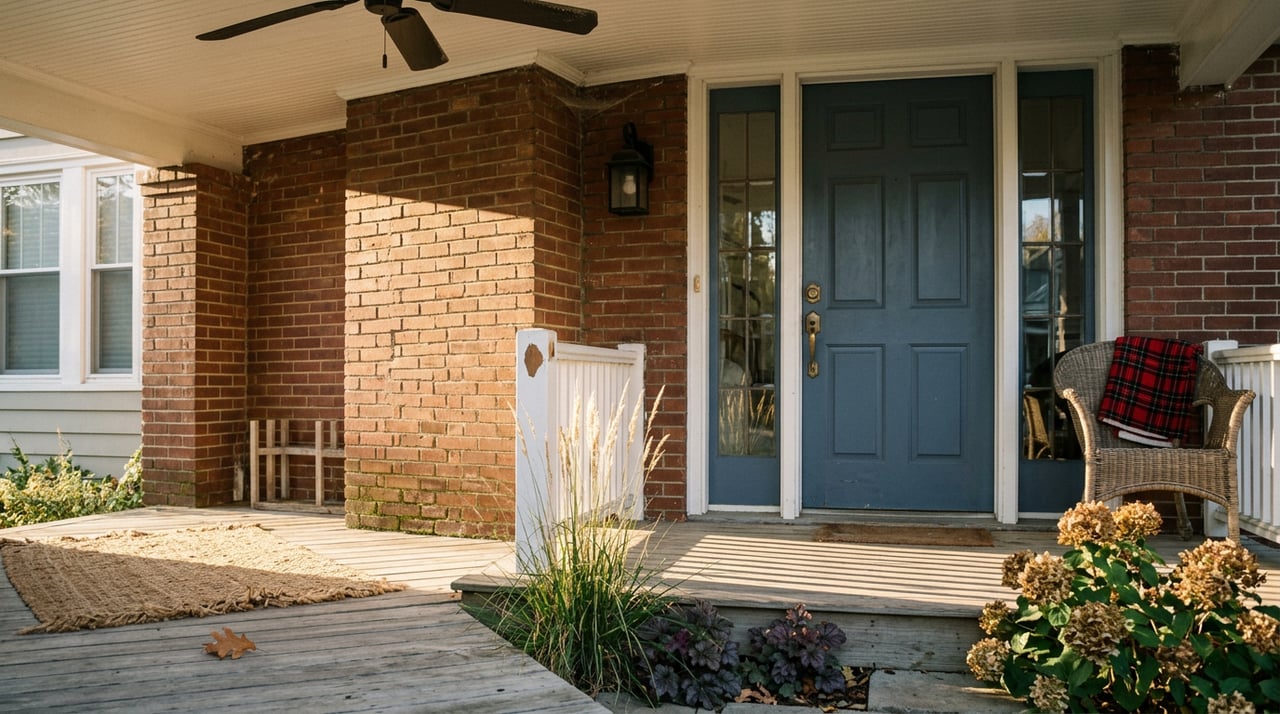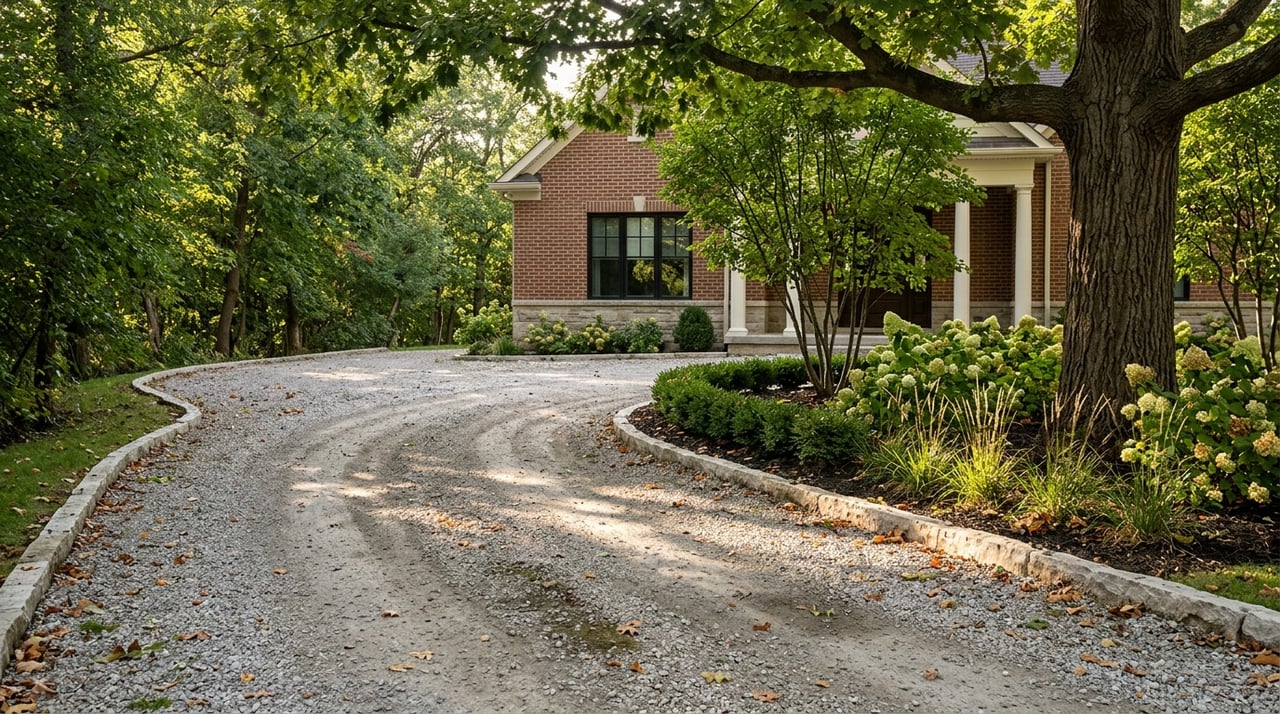
If you have ever wished for more space, more quiet, and a little more room to breathe, Bull Valley may already be on your radar. This small McHenry County village feels different from many nearby communities because its identity has long centered on open land, low-density living, and preserving the natural landscape. If you are wondering what daily life here actually looks like, this guide will walk you through the setting, housing, outdoor lifestyle, and practical details that matter before you buy or sell. Let’s dive in.
What makes Bull Valley feel quiet
Bull Valley is a very small village in McHenry County, with recent estimates placing its population between about 1,121 and 1,269 residents. That small scale matters because it shapes the pace of life and the overall feel of the community. You are simply not looking at a place built around dense growth or busy commercial corridors.
The village’s own planning language makes that even clearer. Bull Valley describes a landscape of glacial valleys, wooded hills, prairies, wetlands, scenic vistas, and wildlife, with land use focused on low-density rural residential living, farming, and open estate-style homes. It is not oriented around industrial sites, commercial strips, or multifamily development.
That preservation mindset is not new. Village history notes that Bull Valley incorporated in 1977 with an emphasis on maintaining open spaces, and local planning efforts going back decades aimed to protect woods, farms, forested hills, and wetlands. For you as a buyer, that helps explain why the village still feels intentionally rural rather than accidentally undeveloped.
Land use shapes the lifestyle
One of the clearest reasons Bull Valley feels so different is how the land is used. CMAP’s 2020 land-use inventory shows 40.4% single-family residential land, 39.1% agricultural land, 6.2% open space, and 8.7% vacant land. The same inventory shows 0% commercial, industrial, or multifamily land use.
That is unusual in suburban Chicago area terms, and it directly supports the quiet-country appeal. When a community has no commercial or multifamily land use, you tend to notice more open views, fewer concentrated traffic patterns, and a stronger sense of privacy. For many buyers, that is exactly the point of considering Bull Valley.
Historical village materials also describe a long-running preference for five-acre residential zoning, with some three-acre planned developments where appropriate. An older village brochure even described the community as averaging about one home per 10 acres at the time it was published. While that should be treated as context rather than a current count, it still helps explain the village’s long-standing land philosophy.
Homes in Bull Valley tend to offer space
Bull Valley’s housing profile points to an established, owner-occupied community. CMAP’s 2019 to 2023 snapshot reports a 93.6% owner-occupied rate, a median age of 57.8, and a median household income of $185,417. Census Reporter’s ACS profile lists a median owner-occupied home value of $477,900.
Those numbers do not tell you everything, but they do suggest a market where many owners stay for the long term. In practical terms, Bull Valley often appeals to people who value privacy, land, and a more settled residential environment over quick turnover or high-density convenience. If you are looking for a place where homes are part of a broader land-and-lifestyle decision, that can be a strong fit.
For sellers, this also matters. Buyers considering Bull Valley are often not just comparing square footage or finishes. They are evaluating parcel size, privacy, views, outdoor use, and the overall experience of country living in a preserved setting.
Horses and land use are part of the story
In Bull Valley, equestrian living is not just part of the image. It is supported by the zoning code. The ordinance allows equines in E-5 and E-10 estate districts and in Ag-5 and Ag-10 agricultural districts, with specific rules tied to acreage, shelter, paddock space, and manure management.
The details matter if you are shopping for a horse property. In the E-5 district, two horses require at least one acre of usable acreage, and E-10 allows up to four horses with added acreage. The ordinance also says usable horse acreage does not include the house, lawns, impervious surfaces, septic fields, wooded areas, steep slopes, or natural preserves.
That means a large parcel on paper may not offer as much usable pasture as you expect. If horses are part of your plan, you will want to look beyond lot size and evaluate how the land is actually laid out. This is one area where local guidance can save you time and help you focus on properties that truly match your needs.
Outdoor living is a real everyday feature
Bull Valley’s outdoor appeal goes beyond pretty scenery. The village highlights conservation areas and trails, including places such as Boloria Meadows and Wolf Oak Woods. It also describes Boone Creek Conservation Area as a location for hiking, birding, wildlife viewing, and horseback riding.
The broader open-space picture is meaningful too. The village notes that the McHenry County Conservation District owns or manages 25,754 acres of open space countywide. For you, that means Bull Valley is part of a larger network of preserved land rather than a single isolated pocket of greenery.
The equestrian side of the community also has deep roots. The Bull Valley Riding Club says it has served the local equestrian community since 1963 and was created to provide and maintain safe off-road bridle trails. That kind of long-term infrastructure supports the idea that land stewardship and riding access are woven into the local lifestyle.
Quiet country living comes with tradeoffs
Bull Valley’s rural charm is very real, but it helps to understand what comes with it. Official village materials describe local roads as narrow, winding, hilly, and often unlit. The village also notes that roads may be shared by wildlife, equestrians, and pedestrians.
For many buyers, that road character is part of the appeal. It supports dark skies, a slower pace, and a more natural setting. At the same time, it can mean less urban-style convenience, slower drive times, and a need for extra awareness during evening or winter travel.
This is why Bull Valley is often best for buyers who want the country setting on purpose. If you want walkable retail, subdivision density, or faster-moving suburban circulation, you may find the lifestyle less convenient. If you want acreage, privacy, wildlife, and a quieter rhythm, the tradeoff may feel worthwhile.
Bull Valley is rural, not isolated
A common misconception is that country living means being cut off from everything. In Bull Valley, that is not really the case. The village’s zoning ordinance places it in direct relation to Woodstock, Crystal Lake, McHenry, and Wonder Lake, and official materials note boundary agreements with Woodstock and McHenry.
That makes Bull Valley better understood as a rural enclave connected to nearby communities, services, and retail areas. You can enjoy a quieter setting without feeling completely removed from the rest of McHenry County. For relocating buyers, that balance is often a big part of the appeal.
What buyers should check early
If you are serious about buying in Bull Valley, country-property due diligence should start early. McHenry County’s Health Department states that the county is 100% dependent on groundwater for drinking water, regulates private wells and onsite wastewater systems, and recommends annual testing of private wells for total coliform bacteria, E. coli, and nitrates.
That makes well and septic review an important step, especially for larger rural parcels. You will want to confirm the property’s water and wastewater setup, understand maintenance needs, and make testing part of your planning. These are normal parts of rural ownership, but they should never be treated as an afterthought.
You should also pay close attention to usable land, access, and road conditions. A property’s value here is often tied to more than the house itself. The way the parcel functions for privacy, recreation, horses, or long-term ownership can make a major difference.
What sellers should know
If you are selling in Bull Valley, your home is likely to appeal to a buyer looking for a specific lifestyle. That means your marketing should highlight the setting just as clearly as the house. Acreage, views, mature trees, trail access, outbuildings, privacy, and land usability may all shape buyer interest.
Presentation matters too, especially in a market where buyers may be comparing your property to homes in Woodstock, Crystal Lake, or other nearby communities with very different settings. Strong photography, clear property information, and a smart pricing strategy can help buyers understand why Bull Valley offers something distinct. This is especially important for homes with larger parcels or premium presentation needs.
Is Bull Valley the right fit for you?
Bull Valley tends to be a strong fit if you want space, privacy, a slower pace, and a connection to the outdoors. It can be especially appealing if you are drawn to acreage, horses, wildlife, and a community identity centered on preserving the land. The village’s planning documents, land-use patterns, and trail resources all point in that direction.
It may be a weaker fit if your priority is walkable shopping, higher-density neighborhoods, or easy suburban-style convenience. Neither preference is right or wrong. The key is understanding what Bull Valley is designed to offer so you can decide whether that lifestyle matches your goals.
If you are thinking about a move in Bull Valley or anywhere in McHenry County, working with a local team can help you evaluate the details that matter most, from land use and property setup to pricing and positioning. When you are ready for thoughtful guidance, reach out to Kim Keefe for trusted local insight.
FAQs
What is quiet country living like in Bull Valley?
- Quiet country living in Bull Valley generally means low-density residential living, open land, rural roads, dark skies, and a setting shaped by woods, prairies, wetlands, and preserved open space.
What types of homes are common in Bull Valley?
- Bull Valley is dominated by single-family residential and agricultural land uses, with no commercial, industrial, or multifamily land shown in CMAP’s 2020 land-use inventory.
Can you keep horses on a Bull Valley property?
- Some Bull Valley zoning districts allow equines, but the rules depend on district, usable acreage, and property requirements such as shelter, paddock space, and manure management.
Is Bull Valley convenient to nearby towns?
- Yes. Bull Valley is closely tied to nearby communities including Woodstock, Crystal Lake, McHenry, and Wonder Lake, so it feels rural without being completely isolated.
What should buyers check before buying a home in Bull Valley?
- Buyers should review well and septic details early, understand road and access conditions, and evaluate usable land carefully, especially if the property will be used for horses or other outdoor purposes.