Choosing a neighborhood in Rockford can feel like a puzzle. You want the right home style, a commute that fits your day, and easy access to parks and services. If you are weighing downtown lofts against a ranch near the highway, you are not alone. This guide walks you through how Rockford’s neighborhoods line up with typical commutes, major employers, and everyday amenities so you can pick the best fit for your lifestyle. Let’s dive in.
How commutes shape your Rockford search
Your daily drive often sets the tone for your week. Rockford’s job base is spread among healthcare campuses, manufacturing and aerospace corridors, schools, and the Chicago Rockford International Airport cargo hub. The City’s 2023 Annual Comprehensive Financial Report lists major employers such as Rockford Public Schools with 4,075 employees, UW Health and SwedishAmerican with 3,780, Mercyhealth with 3,000, OSF HealthCare with 2,200, UPS with 2,000, Collins Aerospace with 2,000, Woodward with 2,000, Amazon with 1,535, Walmart with 1,470, and Stellantis with 1,459. These centers pull commuters in different directions, which is why mapping your actual work address matters. You can review the principal employers in the city’s 2023 ACFR to see how your route may align.
Most residents drive to work, and many factor I‑90 or US‑20 access into their home search. The Rockford Mass Transit District operates fixed routes and ADA paratransit, which can work for some jobs. If you may rely on transit, check routes and test a commute using the RMTD schedules and maps during weekday peaks.
Rockford neighborhood types at a glance
Neighborhood names and boundaries vary, so use these plain categories to compare options, then pair them with a visit and a map. For local maps and programs, browse the City’s Neighborhoods page.
Downtown and riverfront living
You will find converted warehouses, lofts, and newer infill close to the Rock River. If you want short commutes to downtown offices, arts, and dining, this area keeps errands and entertainment close. Revitalization efforts and riverfront amenities have supported new residential choices. Expect smaller footprints and more walkable blocks than in outlying subdivisions.
Historic near‑north and north‑central
These blocks feature late 19th and early 20th century homes, including Victorian, Craftsman, bungalow, and American Foursquare styles. You typically see mature trees, sidewalks, and a mix of renovation and maintenance projects. Choose this area if you like character and you are comfortable planning for older‑home upkeep. Commutes vary depending on your destination, so time a morning and afternoon drive before you commit.
Mid‑city and near‑suburban ranches
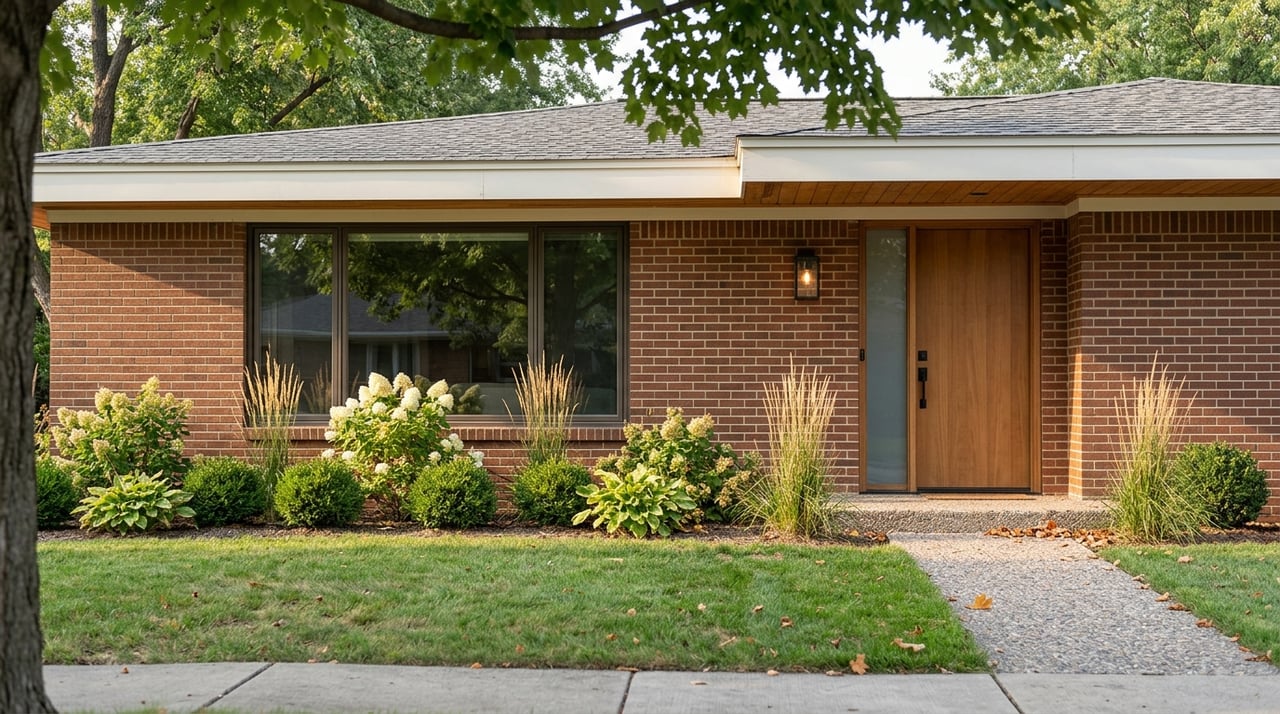
Postwar neighborhoods from the 1950s to the 1970s offer single‑family homes on moderate lots, car‑oriented layouts, and close access to shopping. These areas often provide a lower price per square foot than restored historic districts. If you value a practical layout and quick access to arterials, this can be a good balance of convenience and budget.
Edges and nearby suburbs
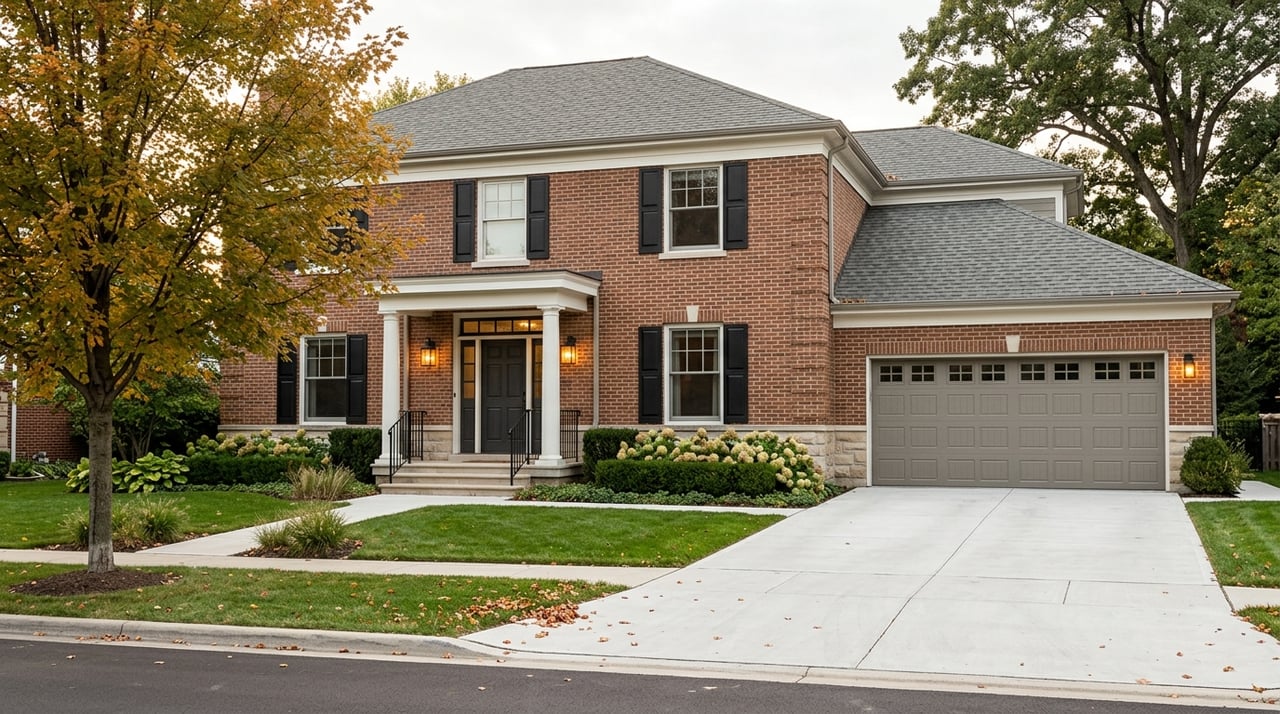
The far west, south, and east edges, along with nearby communities like Loves Park, Machesney Park, and the Cherry Valley area, include newer subdivisions with cul‑de‑sac patterns and quick highway access. If your job sends you to I‑90, US‑20, or the airport corridor, these locations can trim travel time. Expect ranches and two‑story family homes with more recent construction and neighborhood parks.
Commute tools and routes that matter
- Highways and arterials: I‑90 and US‑20 connect many residents to job sites, logistics hubs, and regional travel. If you often drive to manufacturing or aerospace plants, check your access to these corridors.
- Airport corridor: Chicago Rockford International Airport is a major cargo hub and employment center. UPS and Amazon Air activity supports jobs and off‑peak truck and air traffic. For context on the airport’s growth, review this overview from RFD. If you work in logistics or aviation support, proximity to the airport and I‑90 may be a top priority.
- Public transit: RMTD’s fixed routes serve the city and neighboring areas. If you plan to use transit, study the RMTD schedules, note transfer points, and ride your route at peak times.
- Intercity options: Passenger rail to Chicago has historically been absent and remains a planning topic from time to time. If you are considering a future rail commute, confirm the current status before relying on it.
Action step: Drive your likely route during 7:00 to 9:00 AM and again from 4:00 to 6:00 PM. Record both the average and worst‑case times and note any reliable alternate routes.
Parks and everyday amenities
Proximity to parks and services can make a big difference in daily life. The Rockford Park District manages a wide mix of facilities, from playgrounds and sports fields to Nicholas Conservatory & Gardens and area attractions. Get a feel for options across the city using this Rockford Park District overview. If you prefer to spend weekends close to green space, map distances to your favorite park entrances.
Signature outdoor destinations like Anderson Japanese Gardens and Klehm Arboretum draw people from around the region. If you value cultural gardens and botanical spaces, downtown and near‑river neighborhoods keep you closer to these amenities.
Healthcare access is another planning factor, especially for those who work odd shifts. Rockford’s hospital systems, including UW Health and SwedishAmerican, OSF Saint Anthony, and Mercyhealth, operate major campuses across the city. If you work in healthcare, pair your home search with a timed drive to your campus to confirm your real‑world commute.
A step‑by‑step way to compare areas
Use this simple checklist to compare three to five neighborhoods you are considering.
- Commute time and variability
- Drive your route at peak and off‑peak. Note best, average, and worst times. Save alternate routes in your map app.
- Mode options and risk tolerance
- If you need transit, confirm service on the RMTD schedules. Decide how much day‑to‑day variability you can accept.
- Housing match and maintenance
- Do you prefer historic character or newer construction? Walk sample blocks and note lot sizes, garage access, and any common maintenance items.
- Daily needs within 5 to 10 minutes
- Map grocery, daycare, primary care, and park access. A quick errand loop saves time each week.
- Work and services proximity
- If your household includes educators or healthcare staff, cross‑check likely routes to campuses shown in the City’s employer listings in the 2023 ACFR.
- Future projects and construction
- Keep an eye on airport and industrial corridor news from RFD, since growth can shift traffic patterns over time.
Print this list and score each neighborhood from 1 to 5 on each item. Then re‑rank based on what matters most to your household.
Quick shortlist: match goals to areas
- If you want a walkable downtown lifestyle: look at riverfront and downtown lofts with short walks to dining and parks. Start with the City’s Neighborhoods page to orient yourself.
- If you want historic character and tree‑lined blocks: consider near‑north and north‑central historic districts where Victorian, Craftsman, and bungalow homes are common.
- If you need highway access and newer construction: evaluate edges and nearby suburbs with quick connections to I‑90, US‑20, and the airport corridor. Growth tied to the RFD cargo hub can make these areas practical for logistics and manufacturing commutes. For background, see RFD’s growth update.
Sample commute scenarios to test
Use these examples to home in on a location, then verify with a timed drive.
Healthcare shifts at major campuses
If you work at UW Health and SwedishAmerican, OSF Saint Anthony, or Mercyhealth, your priority may be direct arterial routes rather than highway access. Mid‑city or near‑suburban neighborhoods often balance shorter drives with quick trips to grocery and services. If you prefer a compact commute, some downtown and near‑river blocks can also work well for certain campuses.
Logistics or aviation support near RFD
If you are with UPS, Amazon Air, or a service provider in the airport corridor, factor in off‑peak truck and air traffic. Edges and nearby suburbs with quick I‑90 and US‑20 access typically minimize drive time. Walk lots at a few candidate subdivisions to check for noise at different times of day, then time your commute for both day and night shifts.
Manufacturing and aerospace along key corridors
For roles at Collins Aerospace or Woodward, start with neighborhoods that offer simple connections to main arterials and I‑90. A postwar ranch area may provide a shorter daily route with practical layouts and easy parking.
Schools and education roles
If you work for Rockford Public Schools, centrality often matters as much as proximity to a single campus, since assignments can shift. Mid‑city neighborhoods with balance between arterials and local streets help keep trips predictable.
What to look for during tours
- Street feel and traffic: Visit at different times to see school pickup, shift changes, and evening activity.
- Noise and light: If you are near industrial zones or the airport, check for both daytime and overnight conditions.
- Parking and access: Confirm driveway lengths, on‑street parking rules, and snow clearance patterns.
- Parks and paths: Test a quick walk to the nearest park or trail. Use the Park District overview to pick a few stops.
Make your Rockford plan
A great fit blends home style, commute comfort, and the amenities you will use each week. Start by picking three neighborhoods, drive your morning and evening commutes, ride an RMTD route if you might use transit, and map your parks and daily needs. Then re‑rank your list using the checklist above and schedule focused tours.
If you want a local, steady hand to help you compare areas and navigate offers, reach out to Kim Keefe for a neighborhood consult or to get your free home valuation. You will get clear next steps and a plan tailored to your goals.
FAQs
How do Rockford’s major employers affect commute choices?
- The city’s 2023 ACFR shows large employers across healthcare, education, manufacturing, and logistics, which create different commute directions. Map your work address and test routes at peak times.
Which Rockford areas are best for quick highway access?
- Neighborhoods on the west, south, and east edges, plus nearby suburbs, often offer faster access to I‑90 and US‑20, which helps if you commute to manufacturing or the airport corridor.
Is public transit a practical option for daily commutes in Rockford?
- Many residents drive, but RMTD fixed routes and paratransit serve key corridors. If you plan to ride, check the RMTD schedules and do a test run during weekday peaks.
What amenities make certain neighborhoods appealing for weekend life?
- Access to Rockford Park District facilities, Nicholas Conservatory & Gardens, and destinations like Anderson Japanese Gardens are common priorities for buyers who want nearby green space and cultural attractions.
How can I quickly compare three different Rockford neighborhoods?
- Use the six‑point checklist in this guide. Time your commute, confirm transit, check home type and maintenance, map daily needs, verify proximity to work, and scan for future projects that could affect traffic.